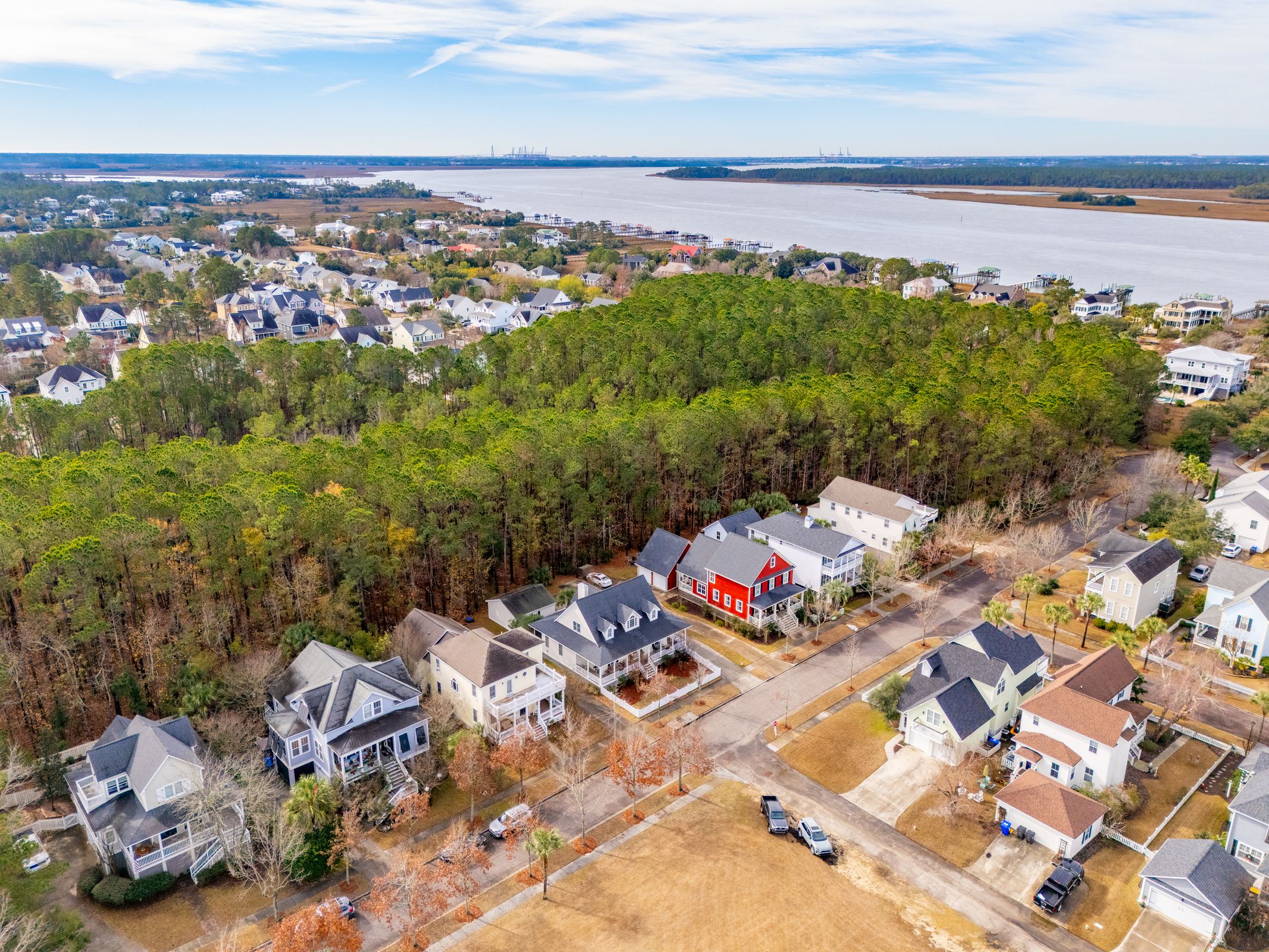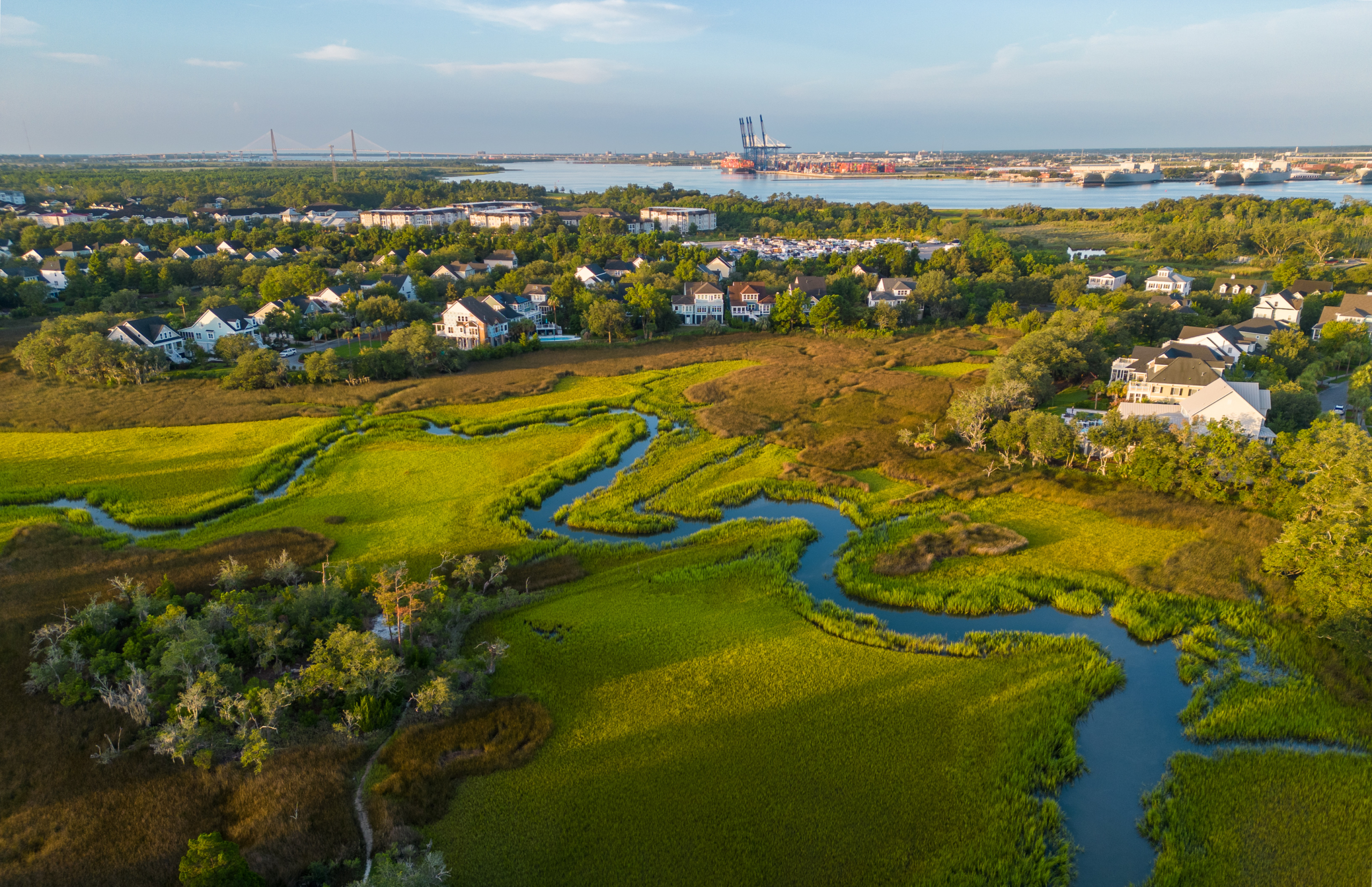


If you’ve driven through Daniel Island recently after not visiting for several years, you’ve probably had the same reaction as many longtime Charleston residents: “I can’t believe how much it’s grown.”
What began as an ambitious master-planned community has evolved into one of the Charleston area’s most recognizable places to live. New neighborhoods, parks, schools, restaurants, office space, waterfront amenities, and recreational opportunities have transformed Daniel Island from a vision into a mature community with broad appeal.
For today’s buyers, understanding how Daniel Island has changed over the past two decades provides valuable context—not just about its history, but about where it may be headed next.
Summary Answer
Over the last 20 years, Daniel Island has grown from a developing master-planned community into one of the Charleston area’s most established and desirable neighborhoods. That evolution has influenced home values, amenities, lifestyle options, and buyer demand. For today’s buyers, the key question isn’t whether Daniel Island has matured—it has. The opportunity now is understanding which parts of the island best match your lifestyle and long-term goals.
How Has Daniel Island Changed Over the Last 20 Years, and What Does That Mean for Today’s Buyers?
The biggest change isn’t simply that more homes have been built.
It’s that Daniel Island has become a complete community.
Twenty years ago, many buyers were purchasing into a vision. Today, buyers can experience that vision in its mature form before making a decision.
That changes both expectations and strategy.
From New Development to Established Community
Daniel Island was designed with long-term planning in mind.
Instead of growing randomly, development has generally followed a thoughtful master plan emphasizing:
- Walkable neighborhoods
- Parks and green space
- Miles of trails
- Schools
- Community gathering areas
- Mixed residential and commercial development
- Waterfront access
- Recreation and sports
As additional neighborhoods were completed over the years, buyers gained more housing options while the overall community became increasingly connected.
Today, buyers aren’t simply purchasing a house—they’re choosing an established lifestyle.
Amenities Have Expanded Alongside the Community
One of the biggest differences between Daniel Island twenty years ago and today is the depth of amenities available.
Residents now enjoy convenient access to:
- Extensive walking and biking trails
- Waterfront parks
- Restaurants and cafés
- Retail shopping
- Medical offices
- Schools
- Fitness facilities
- Community events
- Sporting venues
- Boat access and outdoor recreation
These amenities contribute to everyday convenience while also helping support long-term desirability for homeowners.
For many buyers relocating from outside Charleston, Daniel Island offers the appeal of having many daily needs within a relatively short distance.
Home Styles Have Become More Diverse
Early buyers often had fewer choices.
Today, Daniel Island includes a much broader mix of housing styles, including:
- Traditional Lowcountry homes
- Luxury custom residences
- Golf course properties
- Marshfront homes
- Waterfront estates
- Townhomes
- Condominiums
- Homes designed for lower-maintenance living
That diversity allows buyers in different stages of life to remain within the community rather than needing to relocate elsewhere.
Young professionals, growing families, empty nesters, and retirees can often all find housing options that align with their goals.
Home Values Reflect Long-Term Demand
While every real estate market experiences cycles, Daniel Island’s long-term story has largely been one of sustained demand.
Several factors contribute to that demand:
- Limited land availability
- Strong community planning
- Consistent buyer interest
- High-quality amenities
- Convenient access to Charleston employers
- Recreation and outdoor lifestyle
- Community reputation
Rather than focusing only on short-term price movements, many buyers evaluate Daniel Island through a long-term ownership lens.
That perspective often becomes especially important for buyers planning to stay for several years.
The Lifestyle Has Become a Major Selling Point
Two decades ago, buyers may have focused primarily on new construction.
Today’s buyers are often purchasing something broader.
They’re buying into:
- Established neighborhoods
- Mature landscaping
- Community traditions
- Recreation
- Walkability
- Waterfront access
- Social events
- Everyday convenience
These lifestyle factors frequently become just as important as square footage or interior finishes.
What Most Buyers Get Wrong
Many buyers assume Daniel Island is one uniform neighborhood.
In reality, different sections of the island can offer noticeably different experiences.
Some areas emphasize:
- Walkability
- Golf
- Waterfront living
- Newer homes
- Lower-maintenance ownership
- Quiet residential streets
- Proximity to schools
- Access to parks
Choosing the right neighborhood often matters as much as choosing the right house.
What Could the Future Hold?
No one can predict future real estate markets with certainty.
However, Daniel Island’s continued evolution will likely be shaped by factors such as:
- Remaining development opportunities
- Infrastructure improvements
- Ongoing community investment
- Regional population growth
- Charleston’s continued economic expansion
- Demand for thoughtfully planned communities
Because Daniel Island is now much more mature than it was twenty years ago, future changes may be more incremental than transformational.
That maturity is often appealing to buyers who value stability and established amenities.
Three Buyer Stories
The Family Looking Beyond Square Footage
A relocating family initially focused on finding the largest home possible.
After touring Daniel Island, they realized that daily access to parks, trails, schools, and community events mattered just as much as additional living space.
They ultimately chose a slightly smaller home that better supported the lifestyle they wanted.
The Empty Nesters Who Wanted Simplicity
After years in a larger suburban home, another couple wanted less maintenance without giving up an active lifestyle.
They found a home that allowed them to spend more time walking, dining locally, and enjoying waterfront spaces rather than maintaining a large property.
The Buyer Who Waited Too Long
One buyer assumed more inventory would become available and delayed their search.
Months later, they found themselves competing for homes that matched their criteria.
While every market is different, waiting without a clear strategy can sometimes reduce—not increase—your options.
A Decision Framework for Today’s Buyers
If you’re considering Daniel Island, ask yourself:
✔ Am I looking for a long-term home or a shorter-term investment?
✔ Which neighborhood best fits my daily lifestyle?
✔ How important are walkability and amenities?
✔ Do I prefer an established home or newer construction?
✔ What features will still matter to me five to ten years from now?
✔ Am I evaluating the entire community—not just the individual house?
Answering these questions can help narrow your search and focus on homes that align with your long-term goals.
The Charleston Market Perspective
Daniel Island has matured alongside the broader Charleston region.
As Charleston has attracted new residents, businesses, and investment, many buyers have increasingly prioritized communities that combine thoughtful planning, outdoor recreation, and convenient access to employment centers.
Daniel Island continues to stand out because it offers more than attractive homes. It delivers a cohesive community experience that many buyers are specifically seeking.
That doesn’t automatically make it the right choice for everyone, but understanding its evolution helps buyers make more informed comparisons with other Charleston-area neighborhoods.
Final Thoughts
Daniel Island today is very different from the community buyers first encountered twenty years ago.
The vision has largely become reality.
For today’s buyers, the decision is less about whether the community will develop and more about identifying which neighborhood, home style, and lifestyle best fit their goals.
Understanding the island’s history also provides perspective on why demand has remained strong and why many homeowners choose to stay for years.
If you’re considering buying on Daniel Island—or comparing it with other Charleston-area communities—our team at 32 South Properties is happy to help you evaluate your options with calm, local insight and a strategy tailored to your goals. Learn more at https://32south.com.
Frequently Asked Questions
Is Daniel Island still growing?
While Daniel Island is much more established than it was twenty years ago, certain areas continue to evolve through additional development, community enhancements, and new amenities.
Are all Daniel Island neighborhoods similar?
No. Different neighborhoods vary in architecture, lot sizes, walkability, proximity to parks, waterfront access, and overall lifestyle.
Has Daniel Island become more expensive over time?
Like many desirable communities, buyer demand has influenced home values over the years. Individual home prices depend on location, size, condition, and current market conditions.
Is Daniel Island primarily for families?
No. The community attracts a wide range of buyers, including professionals, retirees, second-home owners, and households at many different life stages thanks to its variety of housing options and amenities.
Should buyers focus more on the house or the neighborhood?
Both matter, but neighborhood fit often has a lasting impact on daily life. Buyers should consider lifestyle, commute, amenities, and long-term goals alongside the home’s features.