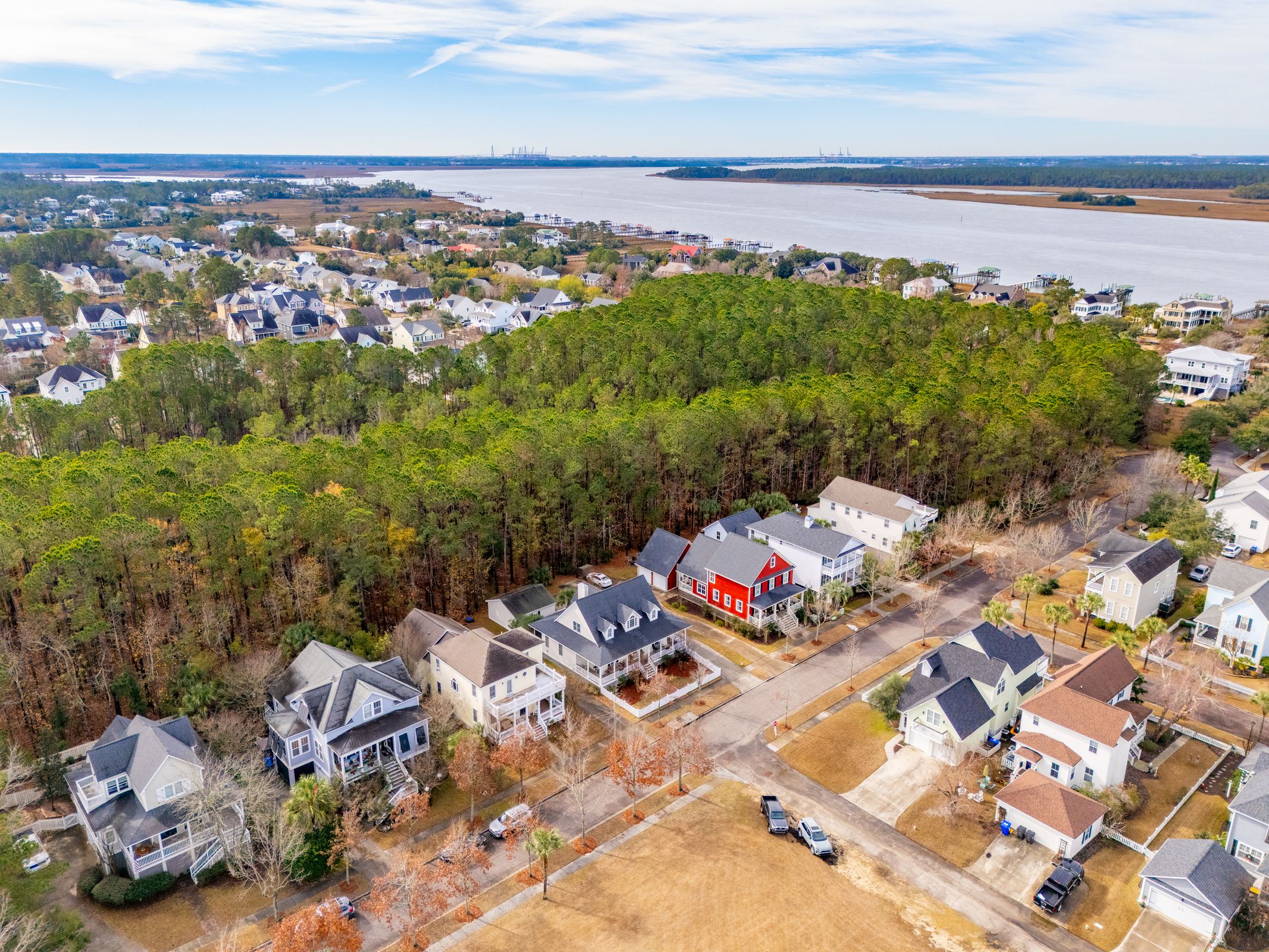


Buying a home isn’t just about square footage or finishes. You can renovate a kitchen, repaint walls, or update flooring—but you can’t relocate the neighborhood.
One of the smartest things Charleston homebuyers can do is evaluate the community before falling in love with a house. Spending just a few hours exploring the area can reveal things that online listings simply can’t.
Summary Answer
Before touring a home, spend time exploring the surrounding neighborhood. Visit at different times of day, test the commute, explore nearby parks and local businesses, look for signs of future development, and talk with residents. These simple steps can help you avoid surprises and choose a home that fits your lifestyle.
What Can You Learn About a Charleston Neighborhood Before You Even Tour a Home?
Quite a bit.
Photos and virtual tours tell you about the house. The neighborhood determines what daily life will actually feel like.
Whether you’re considering Daniel Island, Mount Pleasant, West Ashley, James Island, or another Charleston-area community, evaluating the surrounding area early helps you make a more confident decision.
Here are five practical ways to do it.
- Visit at Different Times of Day
A neighborhood can feel completely different depending on when you visit.
Try stopping by:
- Early weekday morning
- Afternoon school dismissal hours
- Evening after work
- Weekend mornings
- Weekend evenings
Pay attention to:
- Traffic volume
- Noise levels
- Parking availability
- Pedestrian activity
- General atmosphere
Some neighborhoods are wonderfully quiet during business hours but become much busier in the evenings. Others may experience commuter congestion that isn’t obvious during a weekend showing.
- Drive the Routes You’ll Actually Use
Instead of simply driving to the home, test the routines you’ll live with.
Ask yourself:
- How long does the commute actually take?
- Is traffic predictable?
- Are there multiple routes available?
- Are major intersections backed up?
- Would this drive feel manageable every day?
Charleston’s road network often creates bottlenecks during peak travel times. A neighborhood that looks close on a map may feel much farther during rush hour.
Thinking through your daily routine before making an offer can prevent future frustration.
- Explore the Parks, Restaurants, and Everyday Amenities
Great neighborhoods support everyday life—not just weekends.
Spend some time walking or driving nearby to see what’s available.
Look for:
- Parks and walking trails
- Coffee shops
- Grocery stores
- Local restaurants
- Fitness facilities
- Waterfront access where applicable
- Community gathering spaces
Ask yourself whether these are places you’ll genuinely use, not just amenities that sound appealing on paper.
Charleston offers a wide variety of neighborhood experiences. Some communities are designed around walkability, while others prioritize larger lots, quiet streets, or convenient access to shopping and recreation.
- Look Beyond Today’s Listings
The neighborhood you buy into today may look different a few years from now.
While exploring, watch for signs of change such as:
- New commercial construction
- Residential development
- Road improvements
- Vacant land with planned projects
- Infrastructure upgrades
Growth isn’t automatically good or bad.
New development can bring additional dining, shopping, and services. It can also increase traffic or change the overall character of an area.
Understanding what’s happening nearby gives you better context before making a long-term investment.
- Talk to People Who Already Live There
One of the best sources of information is the people who experience the neighborhood every day.
If you encounter residents while walking or visiting a local coffee shop, consider asking questions like:
- What do you enjoy most about living here?
- Has the neighborhood changed recently?
- What surprised you after moving in?
- Are there any challenges buyers should know about?
- How would you describe the community atmosphere?
Most people are happy to share honest experiences, and those conversations often provide insights you won’t find online.
What Most Buyers Get Wrong
Many buyers focus almost entirely on the home itself.
Common mistakes include:
- Touring only once.
- Visiting only on weekends.
- Ignoring commute times.
- Assuming online maps tell the whole story.
- Overlooking nearby construction.
- Never exploring beyond the subdivision entrance.
A beautiful home in the wrong location can become frustrating over time.
On the other hand, buyers who thoroughly evaluate the neighborhood often feel much more confident after closing because they understand what everyday life will actually be like.
A Simple Neighborhood Evaluation Checklist
Before making an offer, ask yourself:
- ✓ Have I visited at multiple times of day?
- ✓ Have I driven my normal commute?
- ✓ Have I explored nearby restaurants and parks?
- ✓ Have I walked around the neighborhood?
- ✓ Have I looked for nearby development?
- ✓ Have I spoken with at least one local resident?
- ✓ Can I picture my daily routine here?
If you can confidently answer “yes” to most of these questions, you’re evaluating much more than the house—you’re evaluating your future lifestyle.
A Charleston Market Perspective
Charleston’s neighborhoods each have their own personality, pace, and strengths.
Some buyers prioritize walkability and dining. Others want waterfront access, newer communities, shorter commutes, or quieter residential streets. Areas like Daniel Island and Mount Pleasant each offer distinct lifestyles, and even neighborhoods within the same town can feel very different.
That’s why experienced local guidance goes beyond comparing listings. Understanding how an area functions day to day often makes the biggest difference in finding the right fit.
Three Real-World Examples
Story 1: The Rush Hour Surprise
A buyer loved a home after a Saturday afternoon showing. Before submitting an offer, they returned on a Tuesday morning and discovered their commute would take much longer than expected. They continued their search and ultimately found a neighborhood that better matched their daily routine.
Story 2: Finding the Right Lifestyle
Another couple spent an afternoon exploring local restaurants, parks, and walking paths before touring homes. They realized one community fit how they actually spent their weekends, making their decision much easier.
Story 3: Looking Beyond the House
A buyer noticed nearby construction while driving through the area and asked additional questions before moving forward. Understanding the planned improvements helped them make a more informed decision with realistic expectations about future growth.
Final Thoughts
Choosing a neighborhood deserves just as much attention as choosing the home itself.
The more time you spend experiencing daily life before making an offer, the more confident you’ll feel in your decision. Exploring at different times, driving your regular routes, talking with residents, and understanding future development all provide valuable perspective that photos alone never can.
Our team at 32 South Properties is happy to help you evaluate not just individual homes, but the Charleston neighborhoods that best match your goals, lifestyle, and long-term plans. Learn more at https://32south.com.
Frequently Asked Questions
Should I visit a neighborhood more than once before buying?
Yes. Visiting at different times of day and on both weekdays and weekends provides a more complete picture of traffic, noise, parking, and daily activity.
How can I learn about future development near a home?
Look for active construction, vacant land with posted plans, and ask your real estate professional about upcoming projects that could influence the surrounding area.
Is driving the commute really that important?
Absolutely. A route that seems short on a map may feel very different during Charleston’s peak traffic hours.
Should I talk to neighbors before making an offer?
If the opportunity arises, it can be very helpful. Residents often share practical insights about living in the area that you won’t find in listing descriptions.
Why does neighborhood research matter so much?
The home itself can often be updated over time. The neighborhood, commute, nearby amenities, and overall lifestyle are much more difficult to change after you move.