

Buying a home is exciting, but once the boxes are unpacked, reality sets in. For many Charleston-area buyers, the biggest regrets aren’t about the house itself—they’re about how the home fits their daily life.
Whether it’s a longer-than-expected commute, unexpected flood insurance costs, restrictive HOA rules, or realizing the neighborhood doesn’t match your lifestyle, many of these disappointments could have been avoided with better planning before making an offer.
Summary Answer
The most common homebuyer regrets in Charleston involve choosing the wrong location, underestimating flood-related considerations, overlooking commute times, misunderstanding HOA restrictions, buying the wrong lot size, and selecting a home that doesn’t truly fit long-term lifestyle needs. The good news is that nearly all of these issues can be identified and evaluated before closing with the right questions and local guidance.
What Are the Most Common Buyer Regrets After Purchasing a Home in Charleston SC—and How Can You Avoid Them?
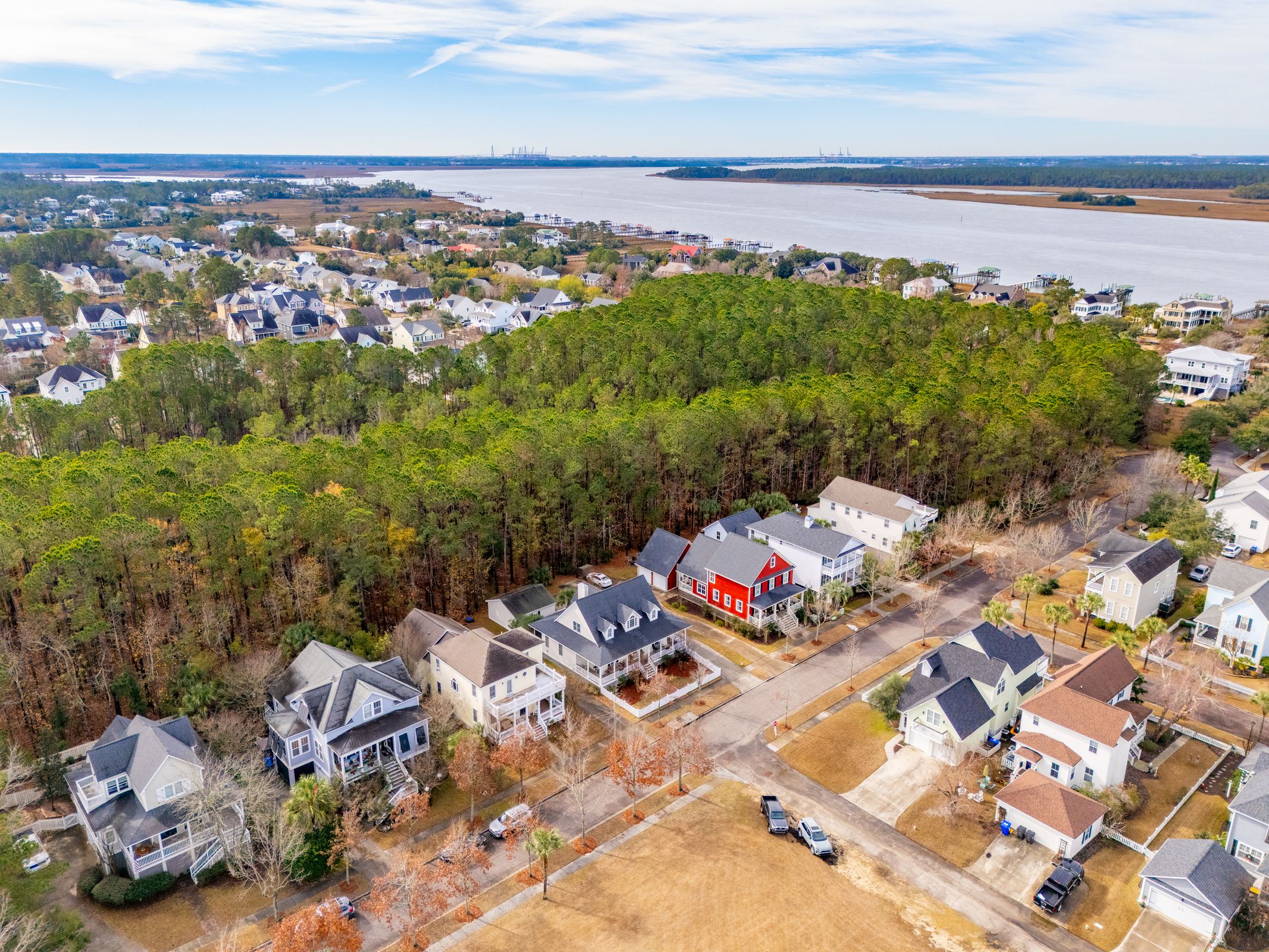
Charleston offers incredible variety. Historic downtown neighborhoods, waterfront communities, newer master-planned developments, suburban neighborhoods, and rural properties all offer very different living experiences.
That variety is one of the area’s strengths—but it also means buyers need to look beyond granite countertops and updated kitchens.
Here are the regrets we hear about most often.
Regret #1: Choosing the Wrong Location
Many buyers become focused on finding the perfect house while paying too little attention to where it’s located.
A beautiful home won’t feel nearly as perfect if every trip to work, school, shopping, or recreation becomes frustrating.
Before purchasing, consider:
- Where you’ll spend most of your time each week
- Access to grocery stores, restaurants, healthcare, and parks
- Traffic patterns during the times you’ll actually be driving
- Future development that could change the area
- Whether you prefer an active neighborhood or a quieter setting
Charleston’s communities each have distinct personalities. What feels ideal for one buyer may be completely wrong for another.
For example, someone seeking walkability may love living close to Daniel Island’s restaurants and trails, while another buyer may prioritize a larger yard or greater privacy elsewhere.
The key isn’t finding the “best” neighborhood—it’s finding the best fit for your priorities.
Regret #2: Underestimating Flood Zones
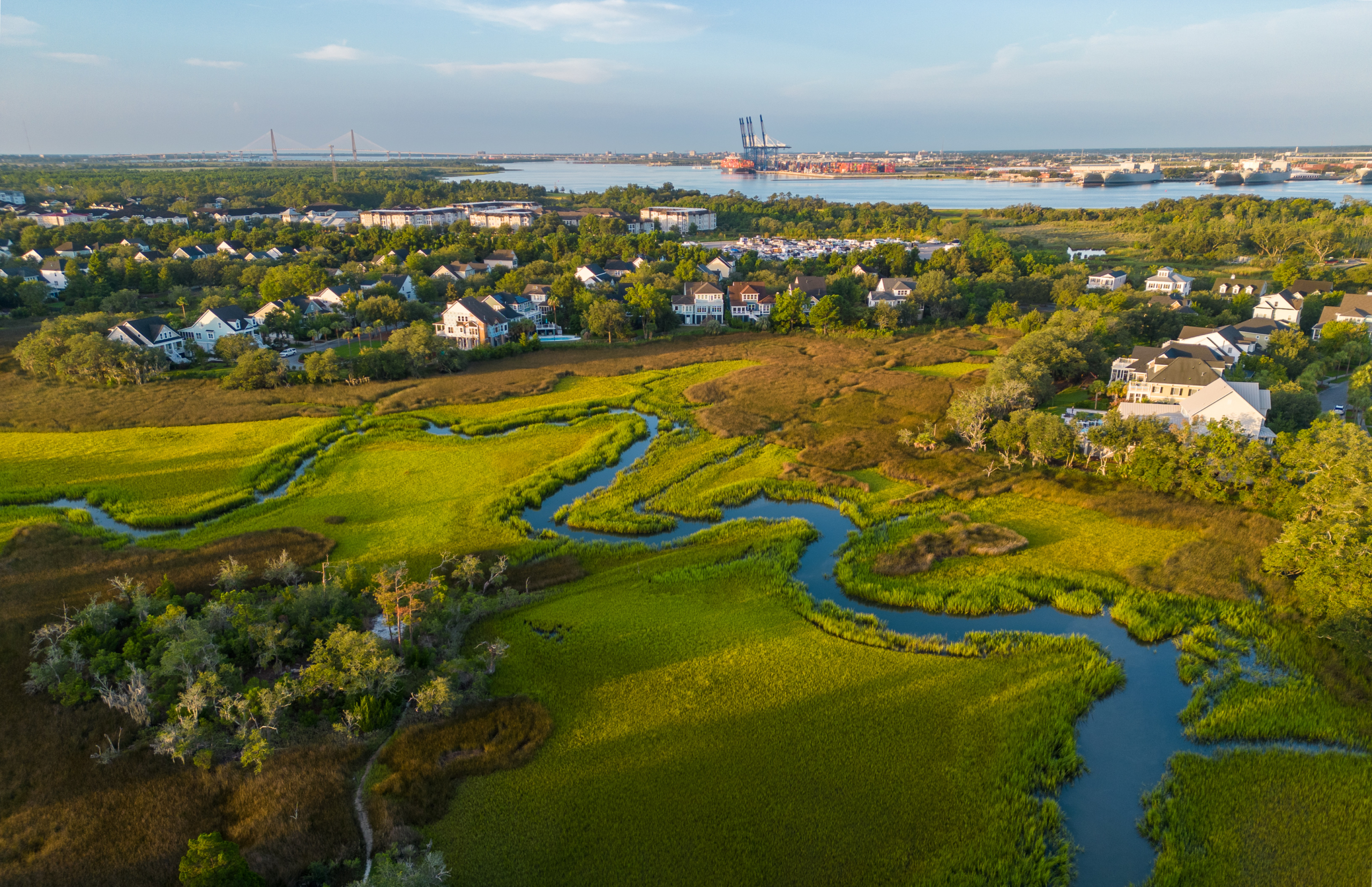
Flooding is simply one of the realities buyers should understand when purchasing in the Charleston area.
Being in or near a flood zone doesn’t automatically make a property a poor purchase. Many excellent homes are located in areas where flood risk is an important consideration.
However, buyers sometimes regret not learning enough about:
- Flood zone designation
- Flood insurance requirements
- Property drainage
- Elevation
- Previous flood history
- Future resiliency improvements
Rather than viewing flood zones as automatic deal breakers, they’re best treated as another factor to evaluate alongside price, condition, and location.
Understanding these details before closing allows buyers to make informed decisions instead of unexpected discoveries later.
Regret #3: Commute Times That Look Better on Paper
A 20-minute drive on a Sunday afternoon can feel very different during weekday rush hour.
Charleston’s traffic patterns vary significantly depending on:
- Time of day
- Season
- Bridge traffic
- Local events
- Road construction
One of the simplest ways to avoid buyer’s remorse is to test your commute multiple times before purchasing.
Drive it:
- During morning rush hour
- During evening rush hour
- On weekends
- During the times you’ll actually travel
The goal isn’t perfection—it’s understanding what daily life will realistically look like.
Regret #4: Discovering HOA Rules After Moving In
Homeowners associations can help maintain community standards and amenities, but they also come with rules.
Buyers sometimes don’t review HOA documents until late in the process—or don’t read them carefully at all.
Important questions include:
- Can you park a boat or RV?
- Are fences allowed?
- Can you rent the property?
- Are there restrictions on exterior paint colors?
- What are the architectural approval requirements?
- What amenities are included?
The answers vary dramatically from one community to another.
Understanding these expectations beforehand helps avoid surprises after move-in.
Regret #5: Buying the Wrong Lot Size
Many buyers initially focus almost entirely on the home itself.
Months later, they realize the lot isn’t meeting their needs.
Some homeowners regret having:
- Too little yard for children or pets
- Too much yard to maintain
- Limited privacy
- Minimal outdoor entertaining space
- Little room for future additions
Others discover they actually prefer a low-maintenance property because they’d rather spend weekends boating, golfing, dining, or enjoying Charleston than maintaining landscaping.
There’s no universally right lot size—only the right size for your lifestyle.
Regret #6: Prioritizing Features Over Lifestyle
This may be the biggest regret of all.
It’s easy to compare:
- Square footage
- Kitchen finishes
- Bathroom updates
- Flooring
- Appliances
But after moving in, daily routines become far more important than cosmetic details.
Ask yourself:
- How do we spend weekends?
- How often do we entertain?
- Do we value walkability?
- How much privacy do we want?
- Will this home still work in five to ten years?
- What compromises are acceptable?
The best home isn’t necessarily the one with the longest feature list.
It’s the one that supports how you actually want to live.
What Most Buyers Get Wrong
Many buyers spend months researching mortgage rates and comparing listings but only a few hours evaluating how the property fits their everyday life.
Common mistakes include:
- Falling in love with finishes instead of location
- Assuming every neighborhood feels the same
- Not researching flood considerations
- Underestimating commute times
- Ignoring HOA documents until late in the transaction
- Thinking only about today’s needs instead of future lifestyle changes
The purchase decision becomes much stronger when the house and lifestyle receive equal attention.
A Practical Homebuyer Decision Checklist
Before submitting an offer, ask yourself:
✓ Have I driven this commute during peak traffic?
✓ Do I understand the property’s flood-related considerations?
✓ Have I reviewed all HOA documents?
✓ Does the lot size match how I actually want to spend my time?
✓ Can I picture my daily routine here—not just moving day?
✓ Will this location still make sense several years from now?
If you can confidently answer yes to each question, you’re much less likely to experience buyer’s remorse.
A Charleston Market Perspective
Charleston’s housing market offers remarkable diversity, which is one of its greatest strengths. Buyers can choose from waterfront homes, historic properties, newer planned communities, and established neighborhoods throughout the region.
That variety also means there’s no one-size-fits-all answer.
Someone relocating from another state may prioritize minimizing commute time. A growing family may place greater value on outdoor space. Empty nesters may prefer lower-maintenance living close to dining and recreation.
In communities like Daniel Island and Mount Pleasant, buyers often find themselves weighing lifestyle amenities, convenience, neighborhood character, and long-term value rather than simply comparing houses. Taking time to understand those tradeoffs before making an offer often leads to greater satisfaction after closing.
Three Real-Life Buyer Stories
Story 1: The Commute Surprise
One buyer found a beautiful home that checked every box on paper. After moving in, they realized their weekday commute was significantly more stressful than expected. Had they tested the drive during peak traffic before making an offer, they may have chosen a different location that better supported their daily routine.
Story 2: The Backyard Reality
Another family prioritized interior upgrades over outdoor space. After a year in the home, they wished they had more room for children, pets, and entertaining. Looking beyond finishes and thinking about everyday living could have changed their decision.
Story 3: The HOA Discovery
A buyer envisioned adding certain exterior improvements after moving in but later learned they required HOA approval and were subject to community guidelines. Reviewing the governing documents earlier in the process would have helped align expectations before closing.
Final Thoughts
No home is perfect.
Every purchase involves tradeoffs.
The goal isn’t to eliminate every compromise—it’s to make informed decisions about the compromises that matter most to you.
When buyers carefully evaluate location, flood considerations, commute times, HOA rules, lot size, and overall lifestyle fit before making an offer, they’re far more likely to enjoy their home for years to come.
Our team at 32 South Properties is happy to help buyers navigate these decisions with local insight, thoughtful guidance, and a strategy built around your goals—not just the next transaction. Learn more at https://32south.com.
Frequently Asked Questions
Is buying in a flood zone always a bad idea?
Not necessarily. Many desirable homes in the Charleston area are located in or near flood zones. The key is understanding the property’s flood designation, insurance considerations, and overall risk before purchasing.
Should I drive my commute before buying a house?
Absolutely. Testing your commute during the times you’ll actually travel provides a much more realistic picture than relying on map estimates alone.
How important are HOA rules?
Very important. HOA restrictions can affect everything from exterior modifications to parking, rentals, and landscaping. Reviewing these documents early helps avoid surprises.
What’s more important: the house or the neighborhood?
Both matter, but buyers often find that location has a greater impact on long-term satisfaction than cosmetic features inside the home.
How can I reduce the chances of buyer’s remorse?
Take time to evaluate how the property fits your daily life—not just your wish list. Consider location, commute, flood-related factors, HOA requirements, outdoor space, and your long-term goals before making an offer.