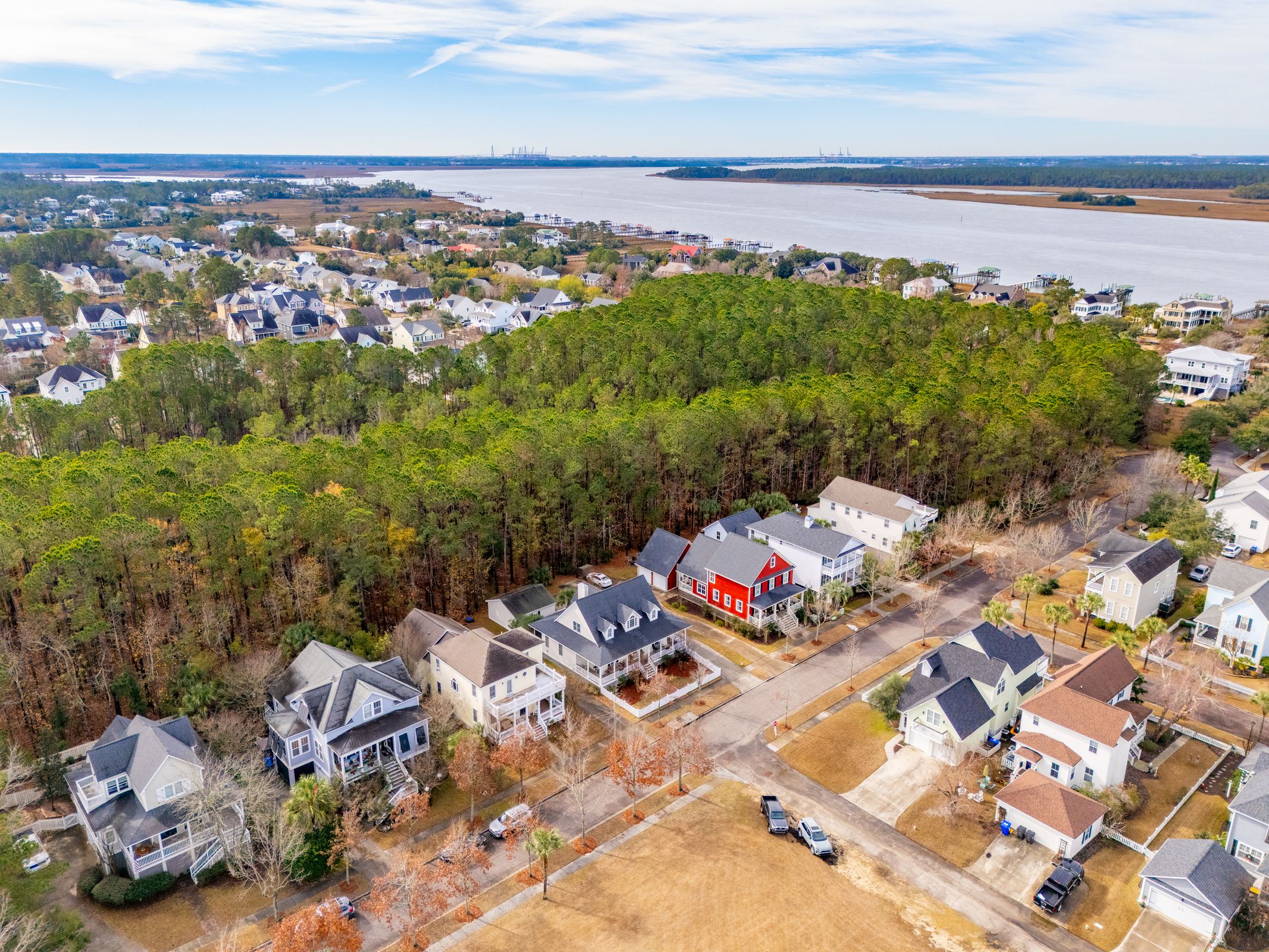


If you’re thinking about selling a home on Daniel Island, it’s easy to assume that a bigger renovation means a bigger sale price.
That is not always how buyers see it.
In a market where homes can vary significantly by age, architecture, location, lot, and level of finish, the improvements that matter most are usually the ones that remove buyer objections, make the home feel current, and strengthen the property’s existing advantages—not necessarily the most expensive projects.
Summary answer: On Daniel Island, the improvements most likely to support resale value are thoughtful kitchen and bath updates, fresh paint and flooring, strong exterior presentation, functional outdoor living, and repairs that eliminate obvious maintenance concerns. The key is improving the home to the level buyers expect for its specific part of the island without over-renovating beyond what comparable properties can support.
National remodeling research reinforces the broader principle: smaller, highly visible improvements can sometimes preserve more resale value than extensive upscale renovations. Charleston-specific Cost vs. Value reporting also shows meaningful differences in the resale performance of individual projects, which is why renovation decisions should be evaluated project by project rather than assuming every dollar spent comes back at closing.
Which Home Improvements Actually Add Value in the Daniel Island Real Estate Market?
For most Daniel Island sellers, we would prioritize improvements in roughly this order:
- Deferred maintenance and obvious repairs
- Paint, flooring, lighting, and cosmetic modernization
- Targeted kitchen improvements
- Targeted bathroom improvements
- Exterior presentation and landscaping
- Usable outdoor living spaces
- Larger renovations only when the home’s condition and comparable sales justify them
The goal is not to create the most renovated house possible.
The goal is to create a home that buyers perceive as well maintained, appropriately updated, and worth acting on early.
That distinction matters.
Start With the Improvements Buyers Notice Immediately
Before discussing a new kitchen or primary bathroom, look at the house the way a buyer will see it during the first five minutes of a showing.
They will notice peeling paint.
They will notice worn floors.
They will notice dated light fixtures.
They will notice damaged trim, fogged windows, stained ceilings, loose hardware, tired landscaping, and the air-conditioning vent that looks like it has not been cleaned in years.
Individually, these issues may be minor. Collectively, they can create a much larger concern:
What else has not been maintained?
That perception can affect both an offer and the buyer’s willingness to negotiate aggressively after an inspection.
For many sellers, getting the fundamentals right has more strategic value than adding an expensive feature buyers never requested.
-
Fresh Paint Can Have an Outsized Impact
Paint is not glamorous, but it can completely change how buyers experience a house.
A consistent, current interior palette can make rooms feel brighter, cleaner, and more cohesive. It can also help buyers focus on the architecture and layout rather than a collection of highly personalized colors.
You usually do not need to strip every bit of personality from the house. The objective is simply to reduce visual distractions.
Pay particular attention to:
- Main living spaces
- Kitchen and breakfast areas
- Primary bedroom
- Hallways and stairwells
- Trim, doors, and baseboards
- Heavily scuffed children’s rooms or offices
- Exterior areas with visible deterioration
The same principle applies to cabinets. Sometimes a kitchen does not need to be replaced; it needs to feel cleaner, lighter, and more current.
-
Kitchens Matter—But Full Kitchen Remodels Aren’t Always Necessary
The kitchen often carries disproportionate emotional weight during a showing.
Buyers may forgive an older secondary bedroom. An obviously dated kitchen can be harder to ignore.
But there is an important distinction between updating a kitchen and rebuilding a kitchen.
If the existing layout works, sellers may get more strategic value from selective improvements such as:
- Updated cabinet hardware
- New lighting
- Fresh cabinet finishes where appropriate
- Countertops
- Backsplash
- Plumbing fixtures
- Replacing visibly dated or mismatched appliances
- Refinishing or replacing worn flooring
Research on remodeling value consistently illustrates why sellers should be cautious about automatically choosing the largest renovation: project cost and resale value do not rise in perfect proportion.
A $100,000 renovation does not automatically make a home worth $100,000 more.
The right question is:
How much more competitive will this kitchen make the home relative to the properties a Daniel Island buyer will consider instead?
That is a real estate question as much as a design question.
-
Bathrooms Should Feel Clean, Current, and Intentional
Bathrooms are similar to kitchens.
They matter, but a seller preparing to move does not necessarily need a complete gut renovation.
If the bathroom functions well, improvements such as new lighting, mirrors, fixtures, hardware, paint, shower glass, or countertops may substantially improve its presentation.
A larger renovation begins to make more sense when the existing space is significantly behind the expectations established by competing homes.
The standard also varies by property.
What is sufficient for a smaller home or condominium may not be sufficient for a high-end Daniel Island Park residence. Renovation decisions have to be made relative to the home’s likely buyer and its competitive set.
-
Flooring Can Change the Perception of the Entire House
Flooring is another improvement buyers experience throughout a showing.
Badly worn hardwoods, dated carpet, or an inconsistent mix of flooring can make an otherwise attractive house feel more tired than it really is.
Depending on the property, that might mean:
- Refinishing existing hardwoods
- Repairing damaged sections
- Replacing heavily worn carpet
- Making flooring transitions feel more cohesive
You do not necessarily need the most expensive flooring available.
Consistency and condition usually matter more than simply selecting a premium material.
-
Curb Appeal Matters Because Buyers Form an Opinion Before They Walk Inside
On Daniel Island, exterior presentation deserves particular attention because the community’s appeal is closely connected to its Lowcountry setting, streetscapes, waterfront environment, trails, and outdoor lifestyle. Daniel Island is a master-planned community with a strong emphasis on those lifestyle characteristics.
That makes a neglected exterior particularly noticeable.
Before listing, evaluate:
- Landscaping
- Pine straw or mulch
- Pressure washing
- Exterior paint and trim
- Porch condition
- Front-door presentation
- Exterior lighting
- Walkways
- Fencing
- Gutters
- Visible wood deterioration
You are trying to create an immediate impression:
This home has been cared for.
That impression follows buyers through the rest of the showing.
-
Outdoor Living Can Be Particularly Relevant on Daniel Island
Outdoor space is one area where Charleston-area lifestyle and real estate strategy intersect.
Porches, patios, yards, screened spaces, and outdoor entertaining areas can make a home more compelling when they feel like genuine extensions of the interior.
National buyer-preference research also consistently identifies outdoor features such as patios, decks, porches, landscaping, and exterior lighting among desirable home attributes.
The key word, however, is usable.
A seller should be cautious about spending heavily to create an elaborate outdoor environment shortly before listing.
Sometimes the smarter move is improving what already exists:
Clean it.
Repair it.
Landscape it.
Improve the lighting.
Stage it properly.
Make buyers understand how they would use it.
-
Maintenance Improvements May Not Be Exciting, but They Protect Value
Some of the best pre-sale investments barely appear in listing photographs.
Roof concerns, HVAC issues, drainage problems, moisture intrusion, damaged wood, electrical defects, plumbing problems, and other known maintenance issues can become major negotiation points.
A beautiful kitchen does not erase a buyer’s concern about a significant underlying repair.
This is particularly important when sellers are trying to create strong early momentum.
The first few weeks of a listing are valuable. You do not want otherwise interested buyers hesitating because the house feels like a project—or discovering preventable problems after going under contract.
What Most Daniel Island Sellers Get Wrong
The most common mistake is asking:
“What renovation will increase my home’s value the most?”
before asking:
“Why would a buyer choose another home over mine?”
Those are very different questions.
Imagine two similar Daniel Island homes.
One has an older but attractive kitchen, fresh paint, refinished floors, beautiful landscaping, completed maintenance, excellent photography, and a strong pricing strategy.
The other has a newly renovated kitchen but worn exterior paint, several visible repair issues, tired landscaping, and a price that assumes the renovation should be reimbursed dollar for dollar.
The second seller may have spent considerably more.
That does not necessarily make the second home more competitive.
Another mistake: renovating to personal taste
A renovation completed specifically for resale should have a different objective from a renovation designed for your next ten years of ownership.
Highly personalized finishes may be worth every penny when you plan to enjoy them.
They are harder to justify when you hope an unknown buyer will pay a premium for exactly the same choices.
And another: improving beyond the home’s competitive set
Daniel Island is not one uniform housing market.
Homes differ meaningfully in property type, age, finish level, setting, and price positioning. Current listings range across different housing types and include a substantial luxury segment, particularly within Daniel Island Park.
That means the appropriate renovation level depends on what buyers will compare your home against.
Comparable sales should help determine the renovation budget—not the other way around.
Three Daniel Island Renovation Scenarios
Consider these simplified examples. They are illustrative, not descriptions of specific transactions.
Scenario 1: The Seller Who Renovates Everything
A homeowner plans to sell within six months and assumes the dated kitchen is the biggest obstacle.
They replace the cabinetry, countertops, appliances, lighting, and flooring with premium selections.
The result looks beautiful.
But comparable homes do not support enough additional value to justify the entire investment.
The seller improved the house, but part of the renovation essentially became a gift to the next owner.
Lesson: Before a major remodel, understand the pricing ceiling created by comparable properties.
Scenario 2: The Seller Who Does Nothing
Another homeowner knows the house needs paint, floor refinishing, landscaping, and several small repairs.
They decide buyers can “just make it their own.”
Buyers do see the potential—but they also mentally exaggerate the cost and inconvenience of every project. Instead of competing aggressively, they begin calculating discounts.
Lesson: Selling as-is can make sense, but it should be an intentional pricing strategy rather than a default decision.
Scenario 3: The Seller Who Prioritizes
A third seller starts with the expected buyer and competing inventory.
Instead of undertaking a large renovation, they address maintenance, repaint the main living areas, refinish the floors, update several fixtures, improve landscaping, and professionally prepare the property for market.
The improvements work together with pricing, presentation, photography, and launch strategy.
Buyers are not distracted by obvious projects, and the home makes a strong first impression.
Lesson: The highest-value improvement strategy is often a coordinated series of smaller decisions rather than one dramatic renovation.
A Simple Daniel Island Home Improvement Decision Framework
Before spending money, run every proposed project through these five questions.
- Does this fix a buyer objection?
If buyers are likely to see something as damaged, neglected, or immediately necessary, it deserves serious consideration.
- Is this expected at our price point?
Evaluate homes that buyers will realistically compare with yours.
If nearly every competing property offers an updated feature your home lacks, the absence becomes more important.
- Can we improve it without completely replacing it?
Painting, refinishing, repairing, updating fixtures, and changing finishes can sometimes accomplish most of the visual goal without taking on a major construction project.
- Will buyers actually pay more for it?
Enjoyment and resale value are different.
An improvement can be wonderful without being financially justified immediately before a sale.
- Will this help create stronger early demand?
This is the question sellers often overlook.
A property’s strongest marketing opportunity frequently comes when it first enters the market. Improvements that make photography stronger, showings more compelling, and buyer objections less significant can support that early momentum.
The Best Renovation Budget Starts With the Likely Sale Price
This is why we prefer to reverse the traditional process.
Don’t start with a contractor and then determine what your home might be worth.
Start by understanding:
- Your home’s likely competitive range
- Relevant recent sales
- Current competing inventory
- What today’s buyers expect
- Your property’s strongest advantages
- Its most obvious objections
Then determine which improvements make economic sense.
This keeps renovation decisions connected to a broader pricing and negotiation strategy rather than treating improvements as an isolated design project.
It can also prevent the frustrating situation where a seller spends heavily before discovering that the market does not value the changes as highly as they expected.
Renovate, Refresh, or Sell As-Is?
There is no universal answer.
Refresh when the home’s fundamentals are good but presentation feels tired.
Renovate selectively when an important part of the house is materially below the standard buyers expect from competing properties.
Consider selling as-is when the renovation would require significant time, money, uncertainty, or personal disruption—and the property can be positioned appropriately for buyers willing to take on the work.
The most important part is making that decision before committing significant capital.
On Daniel Island, two homes only a short distance apart may warrant completely different pre-sale strategies. Local knowledge becomes especially valuable when deciding not simply what looks better, but what the market is likely to reward.
Before You Renovate a Daniel Island Home to Sell
The question isn’t “How much can we improve?”
It’s:
“Which improvements will meaningfully change how buyers perceive and value this particular home?”
That answer should come from the market first.
At 32 South Properties, we look at the likely buyer, relevant comparable properties, pricing position, condition, and competition before recommending significant pre-listing work. The objective is to create a home that enters the market with as few unnecessary objections as possible—and with a pricing and marketing strategy designed to build momentum early.
Our team at 32 South Properties is happy to help you evaluate which improvements are worth making, which ones you can skip, and how to position your Daniel Island home for the market. Visit 32south.com to start the conversation.
Frequently Asked Questions
What home improvement adds the most value on Daniel Island?
There isn’t one improvement that wins for every property. The highest-priority project is usually the one that addresses the biggest gap between your home’s current condition and what buyers expect from competing homes. For one property that could be paint and flooring; for another it could be a dated kitchen, exterior condition, or deferred maintenance.
Should I remodel my kitchen before selling my Daniel Island home?
Not automatically. If the kitchen is functional but cosmetically dated, selective updates may provide a better balance between cost and marketability. A full renovation is easier to justify when the existing kitchen materially limits the home’s competitiveness and comparable sales support the investment.
Is it better to renovate or sell my Daniel Island home as-is?
It depends on the renovation cost, your timeline, the home’s current condition, and how buyers are likely to price the required work. Selling as-is can be a sound strategy when it is accompanied by realistic pricing and clear positioning. Renovating simply because you assume buyers demand perfection can lead to unnecessary spending.
Do outdoor improvements add value on Daniel Island?
Well-maintained and usable outdoor spaces can strengthen a home’s appeal, particularly given Charleston’s climate and Daniel Island’s Lowcountry lifestyle. However, sellers should distinguish between improving an existing porch, patio, landscaping, or yard and investing heavily in an elaborate new outdoor project immediately before selling.
How much should I spend preparing my Daniel Island home for sale?
There is no responsible one-size-fits-all number. The budget should be based on your home’s likely price range, competing properties, existing condition, timeline, and which improvements are most likely to change buyer perception. A pre-listing market analysis can help determine where additional spending is justified—and where it is unlikely to materially affect the outcome.