
Buying a home in Charleston is exciting—but asking the wrong questions (or forgetting the important ones) can lead to expensive surprises after closing.
Most buyers focus on square footage, finishes, and neighborhood appeal. Those matter, but experienced buyers know the smartest questions often have nothing to do with granite countertops or paint colors. Charleston’s coastal environment, historic communities, evolving infrastructure, and neighborhood regulations create unique considerations that national home-buying advice rarely addresses.
Summary Answer
Before buying a home in Charleston, ask questions that go beyond the property itself. Understand flood risk, insurance costs, HOA rules, future development plans, traffic patterns, rental restrictions, and long-term resale potential. These factors can affect both your monthly costs and your home’s value for years to come.
What Questions Should You Ask Before Buying a Home in Charleston That Most Buyers Forget?
- Is This Property in a Flood Zone?
This should be one of the very first questions you ask.
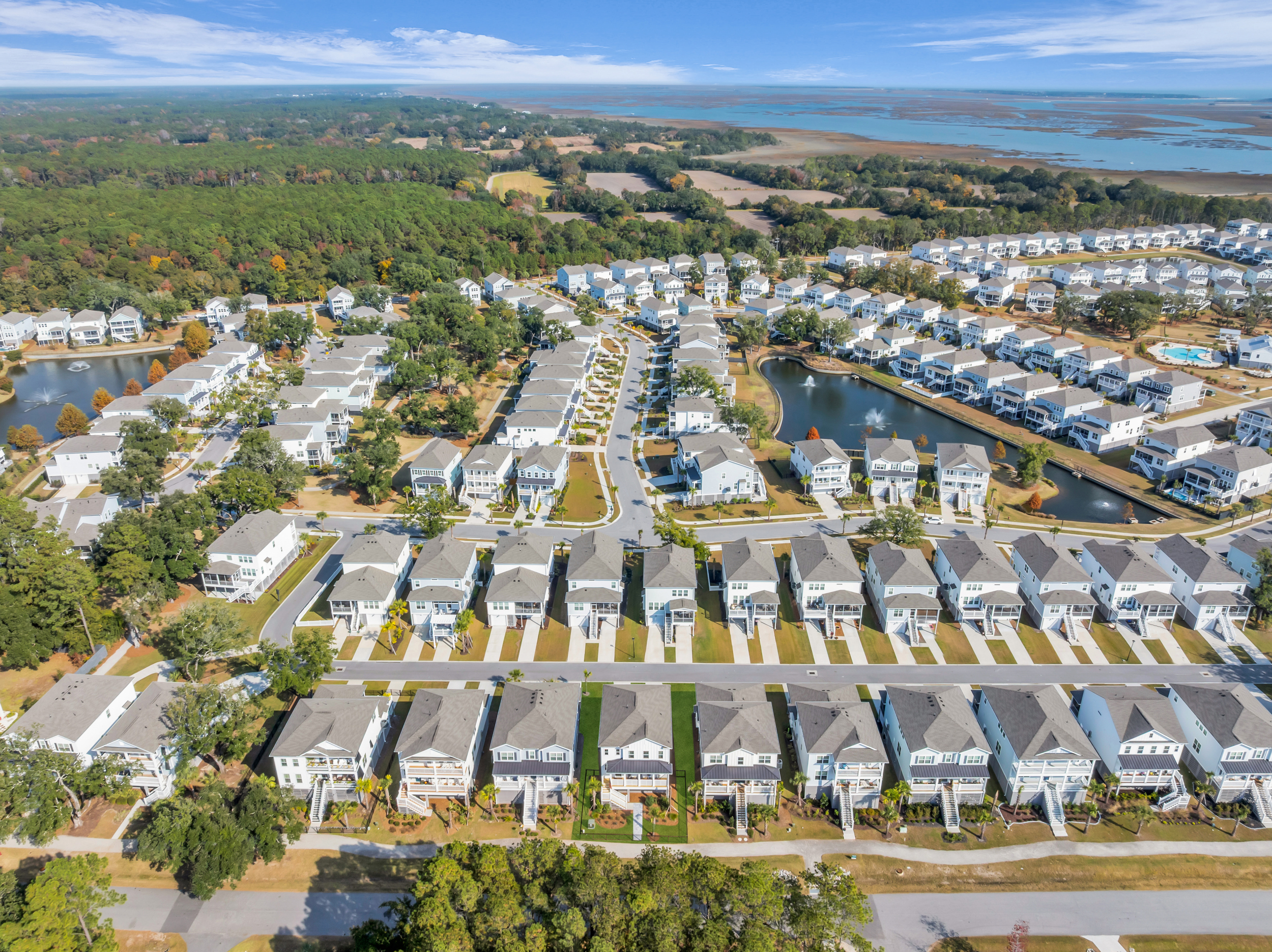
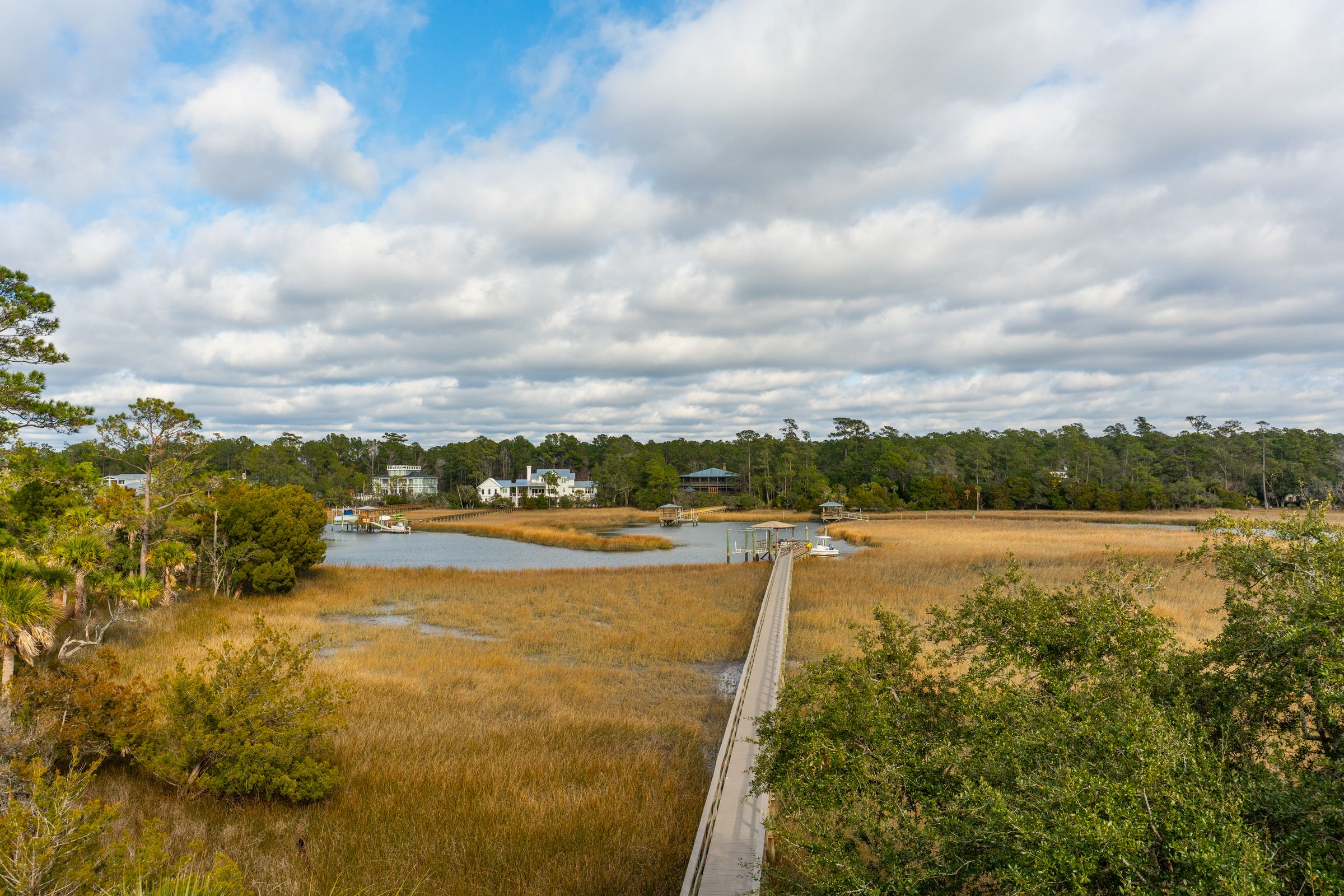
Charleston’s geography makes flood risk an important consideration, even in neighborhoods that appear elevated or have never experienced flooding during a typical visit.
Ask:
- Is the home located in a designated flood zone?
- Has the property ever experienced flooding?
- Is flood insurance required by the lender?
- If not required, is it still recommended?
Don’t assume two homes a few streets apart carry the same flood risk. Flood designations can vary significantly within the same community.
Remember that flood insurance premiums are a monthly ownership cost that should be factored into your overall budget.
- What Will Homeowners Insurance Actually Cost?
Insurance costs in coastal markets can vary more than many buyers expect.
Instead of waiting until you’re under contract, ask for insurance estimates early.
Questions to consider include:
- What are typical homeowner insurance costs?
- Are wind or hurricane deductibles different?
- Are there additional coverage requirements?
- Have insurance costs changed recently?
Your monthly payment isn’t just principal and interest—it also includes taxes and insurance, making these estimates an important part of affordability.
- What Does the HOA Actually Regulate?
Many buyers ask if there is an HOA.
Far fewer ask what it actually does.
Important questions include:
- What are the monthly or annual dues?
- Are there rental restrictions?
- Are short-term rentals allowed?
- Can you install fences, pools, or solar panels?
- Are there architectural approval requirements?
- Are there upcoming assessments?
Reading the governing documents before closing can help avoid surprises later.
- What’s Planned for This Area Over the Next Five to Ten Years?
Charleston continues to grow.
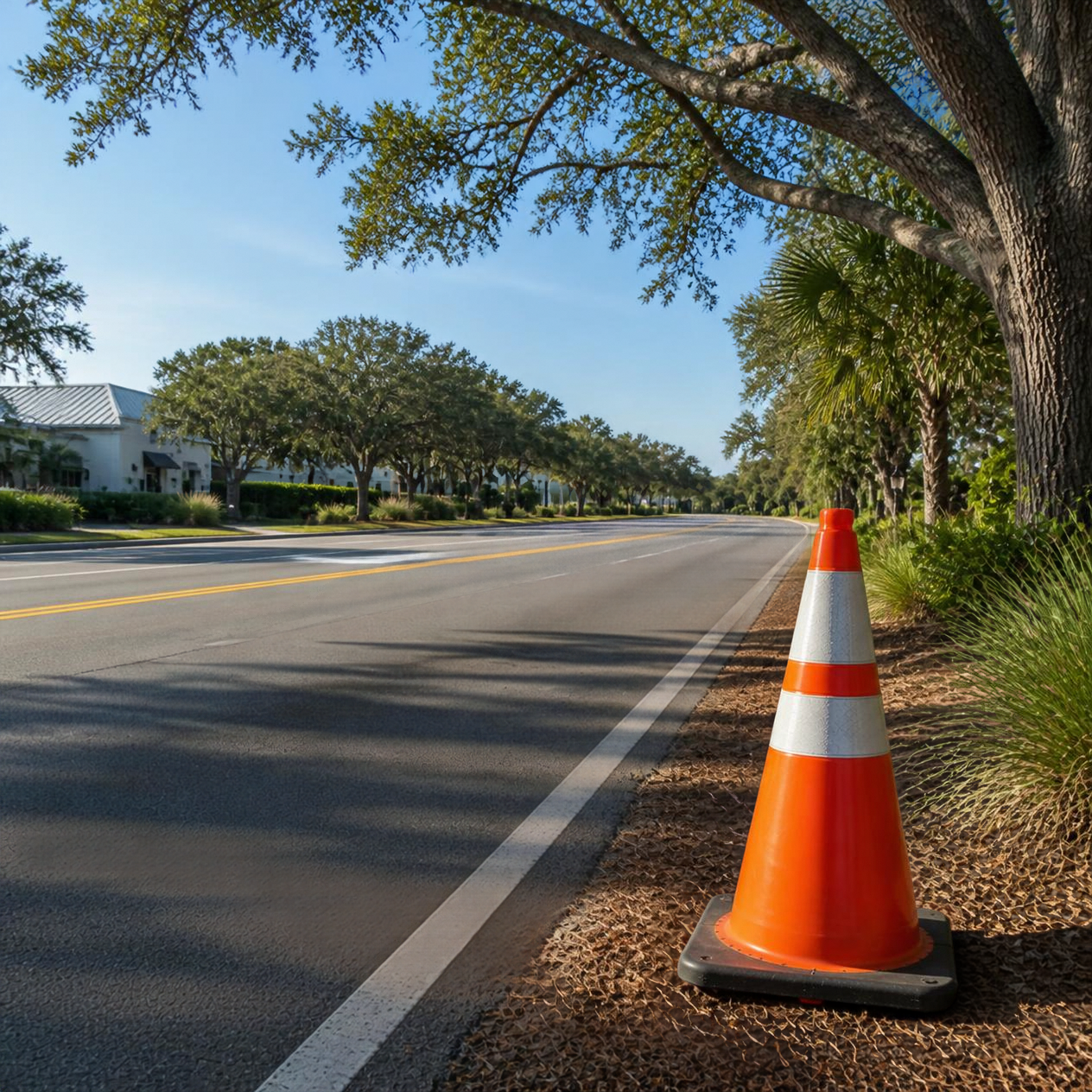
A quiet road today could become a major commuter corridor. An empty parcel could become a shopping center—or another residential development.
Ask about:
- Planned road improvements
- Commercial development
- New neighborhoods
- Parks and recreation projects
- Public infrastructure investments
Growth can create convenience, but it may also affect traffic, privacy, and neighborhood character.
- What Is Traffic Really Like?
Online maps only tell part of the story.
Ask questions like:
- How long is the commute during rush hour?
- Does beach traffic affect this area?
- Are there school-related traffic backups?
- Is weekend congestion common?
If possible, visit the neighborhood at different times of day rather than relying on a single showing.
- How Will This Home Fit My Lifestyle Five Years From Now?
The perfect home today may not fit tomorrow.
Think beyond your current needs.
Ask yourself:
- Will the layout still work if my family grows?
- Is there enough storage?
- Is there room for a home office?
- Will stairs become an issue?
- How flexible is the floor plan?
Buying with your future in mind often leads to better long-term satisfaction.
- Are There Rental Restrictions?
Even if you have no plans to rent the home today, circumstances can change.
Ask:
- Are long-term rentals allowed?
- Are short-term rentals permitted?
- Are there minimum lease terms?
- Does the HOA limit rentals?
Understanding these rules gives you more flexibility if your plans evolve.
- What Are the Local Schools Like?
Even buyers without school-aged children often overlook this question.
School attendance zones and community amenities can influence buyer demand over time.
Rather than focusing solely on ratings, consider:
- Attendance boundaries
- Commute convenience
- Future boundary changes
- Nearby educational options
Schools are one of many factors that can affect long-term resale appeal.
- How Competitive Has This Neighborhood Been?
Every Charleston neighborhood behaves differently.
Ask your agent:
- How quickly do homes typically sell?
- Are buyers paying above or below asking price?
- How much inventory is usually available?
- Is demand increasing or stabilizing?
Understanding neighborhood trends helps you make informed offers and realistic expectations.
- Will This Home Be Easy to Resell?
Every purchase eventually becomes a future sale.
Ask:
- Does the floor plan appeal to a broad range of buyers?
- Are there unusual features that could limit demand?
- How does it compare with nearby homes?
- Are there characteristics that typically hold value well in this area?
Thinking like a future seller often leads to smarter buying decisions.
What Most Buyers Get Wrong
Many buyers spend hours comparing countertops, appliances, and flooring while overlooking the factors that affect ownership the most.
Common mistakes include:
- Waiting too long to estimate insurance costs
- Ignoring flood risk because the weather is nice during showings
- Skimming HOA documents instead of reviewing key restrictions
- Forgetting to research future development nearby
- Underestimating commute and seasonal traffic
- Buying only for today’s needs instead of tomorrow’s lifestyle
These questions rarely appear on national home-buying checklists, but they can have a meaningful impact on your experience as a homeowner.
A Practical Charleston Home-Buying Checklist
Before making an offer, make sure you can answer “yes” to most of these questions:
- □ Do I understand the property’s flood risk?
- □ Have I estimated homeowner and flood insurance costs?
- □ Have I reviewed HOA rules and fees?
- □ Do I know whether rental restrictions exist?
- □ Have I researched planned development nearby?
- □ Have I driven the commute during busy hours?
- □ Does this home fit my expected needs over the next several years?
- □ Have I considered long-term resale appeal?
- □ Do I understand the neighborhood’s current market conditions?
- □ Am I comfortable with the total monthly ownership costs—not just the mortgage payment?
Three Charleston Buyer Stories
Story 1: Looking Beyond the Listing
A couple relocating to Mount Pleasant found two nearly identical homes at similar prices. After asking about insurance and flood considerations, they discovered one property would likely carry significantly higher ownership costs. Choosing the other home helped them stay within their long-term budget while still getting the features they wanted.
Story 2: Reading the HOA Documents
An investor purchasing in the Charleston area planned to rent the property in the future. Before closing, they reviewed the HOA documents and learned there were leasing restrictions that would have limited their plans. Because they asked early, they were able to find a community that better matched their goals.
Story 3: Thinking About Resale
A growing family loved a highly customized home with a unique layout. After discussing resale considerations, they decided on a nearby property with a more functional floor plan and stronger long-term market appeal. Years later, they appreciated having a home that adapted to changing needs while remaining attractive to future buyers.
The Bottom Line
The best home isn’t always the one with the nicest finishes—it’s the one that fits your lifestyle, budget, and long-term goals without hidden surprises.
Buying in Charleston comes with opportunities that make the area special, but it also involves local considerations that buyers relocating from other markets may not expect. Asking thoughtful questions before making an offer can help you avoid costly surprises and make a more confident decision.
Our team at 32 South Properties is happy to help buyers navigate Charleston’s unique neighborhoods, evaluate potential homes, and understand the local factors that influence long-term value. Learn more or connect with us at https://32south.com.
Frequently Asked Questions
Should I always buy flood insurance in Charleston?
Not every home requires flood insurance, but it’s worth understanding a property’s flood risk and discussing coverage options with your insurance provider, even if your lender doesn’t require it.
How important are HOA documents before buying?
Very important. HOA documents outline fees, restrictions, architectural guidelines, rental policies, and other rules that may affect how you use the property.
Can future development affect my home’s value?
It can. New infrastructure, commercial projects, or residential development may influence convenience, traffic, neighborhood character, and buyer demand over time.
Should I worry about resale value before I even buy?
Yes. Choosing a home with broad buyer appeal and functional features can make selling easier when your needs change.
Why is local knowledge especially valuable in Charleston?
Charleston’s coastal environment, varied neighborhoods, insurance considerations, flood risks, and ongoing growth create factors that aren’t always obvious from an online listing. Working with professionals who understand these local nuances can help you make a more informed decision.