

The smartest homebuyers don’t just focus on what to buy—they understand what to avoid.
Whether you’re relocating to Charleston, buying your first Lowcountry home, or moving up to your forever house, it’s easy to get caught up in beautiful kitchens, waterfront views, or trendy neighborhoods. But experienced buyers know that some of the biggest financial mistakes aren’t obvious during a showing.
The homes that become difficult to insure, expensive to maintain, hard to resell, or frustrating to live in often share predictable characteristics.
If we were buying a home in Charleston today, these are the things we’d pay the closest attention to—and in some cases, avoid altogether.
Summary Answer
If we had to buy a home in Charleston today, we’d avoid homes with poorly understood flood risk, locations with consistently difficult commutes, outdated floor plans that limit future resale appeal, properties in neighborhoods that don’t fit our lifestyle, and homes priced based on emotion rather than market value. The goal isn’t simply buying a house—it’s buying one you’ll still feel confident owning five or ten years from now.
If You Had to Buy a Home in Charleston Today, What Would You Avoid?
The answer isn’t one specific neighborhood or builder.
It’s buying any home without understanding how it will perform over time.
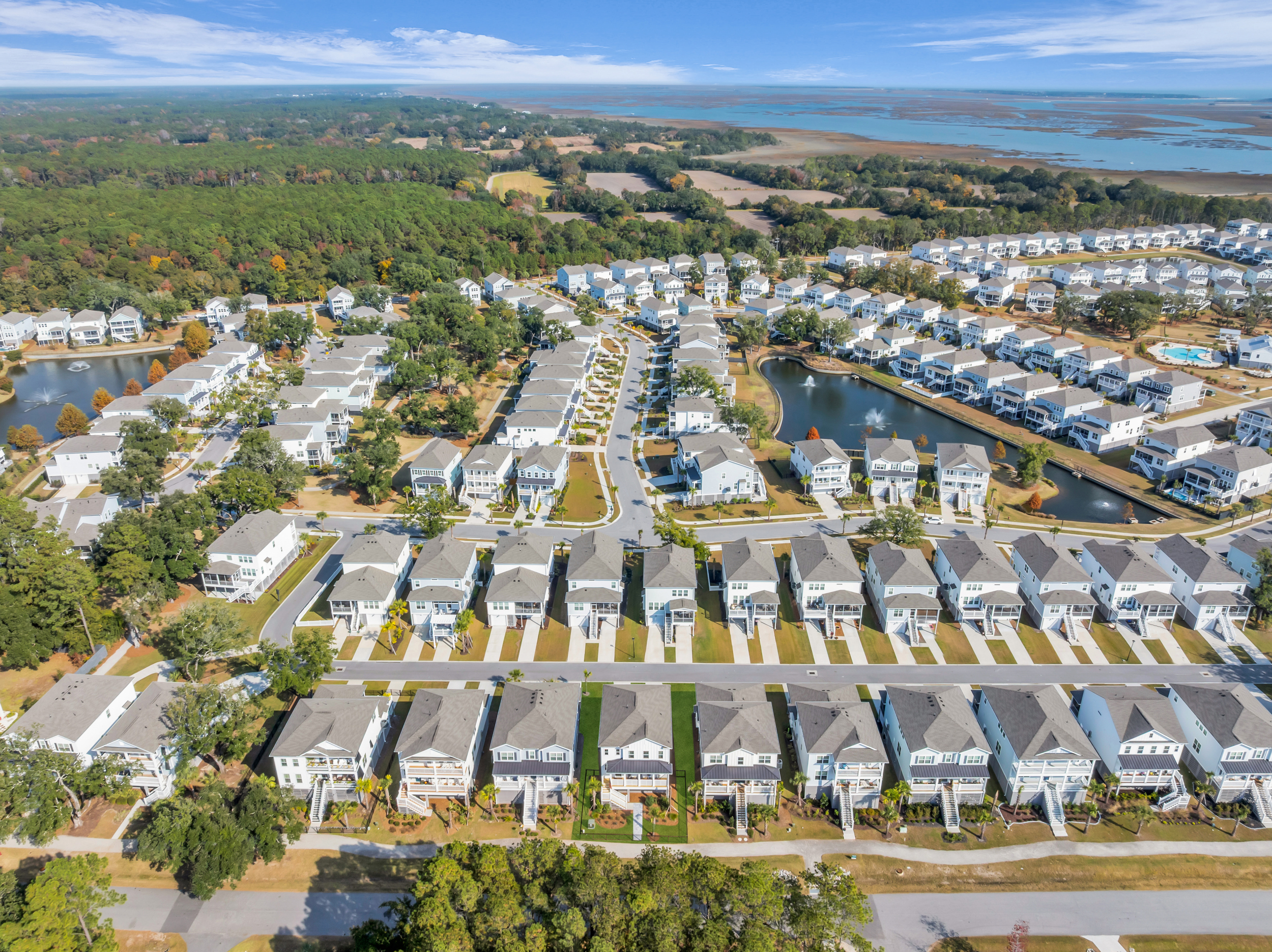
Great real estate decisions balance today’s excitement with tomorrow’s practicality. Charleston offers incredible lifestyle options—from historic downtown neighborhoods to master-planned communities like Daniel Island, waterfront properties, suburban developments, and rural acreage—but every area comes with tradeoffs.
The smartest buyers ask difficult questions before they ever submit an offer.
- Homes with Flood Risk You Don’t Fully Understand
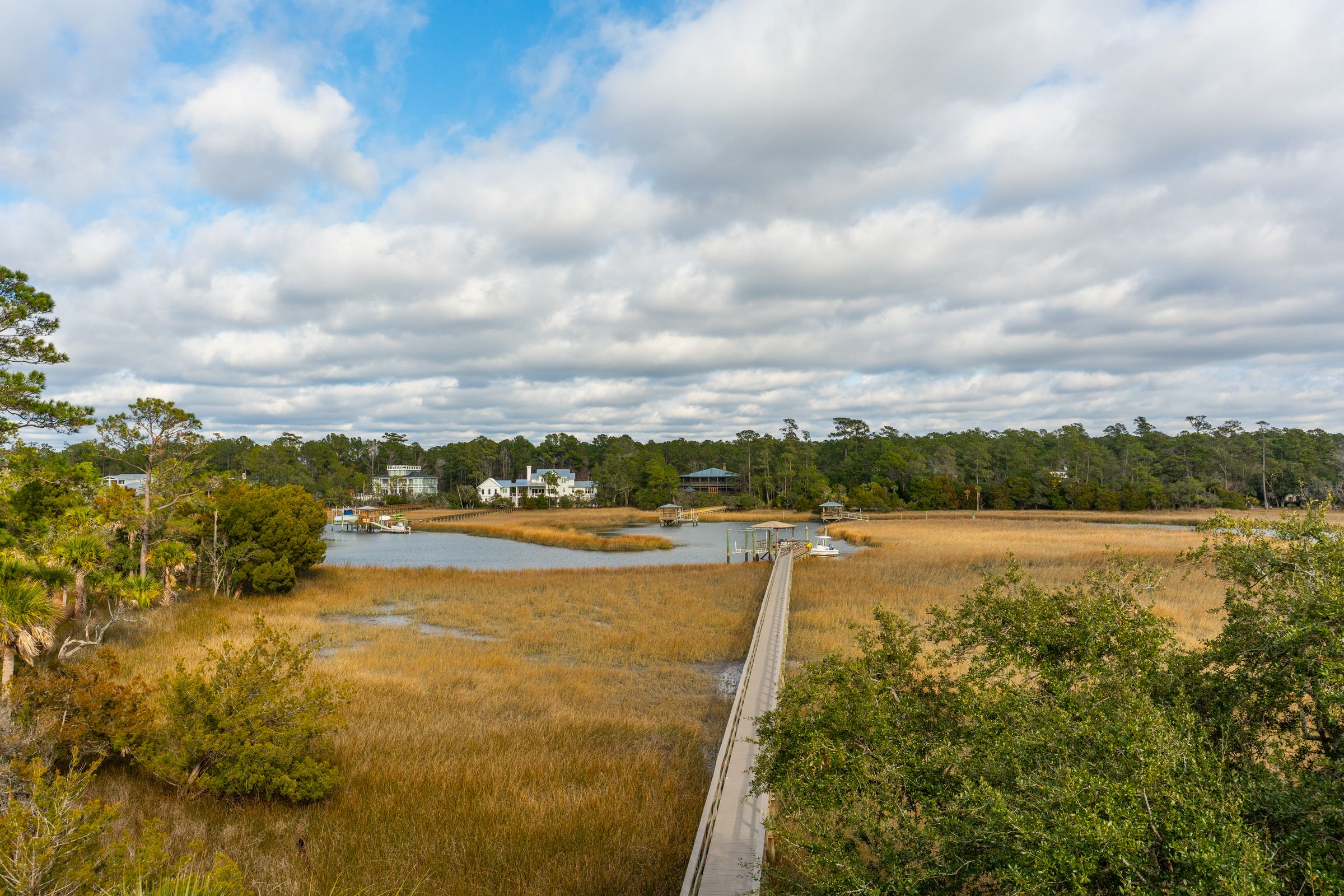
Charleston’s relationship with water is part of its charm—but it also requires informed decision-making.
Not every property has the same flood exposure, and two homes on the same street may have completely different flood histories, elevations, insurance requirements, and long-term maintenance considerations.
Before buying, understand:
- FEMA flood zone designation
- Whether flood insurance is required
- Past flooding disclosures
- Drainage around the property
- Elevation certificates if available
- Future insurance costs
A home isn’t automatically a bad purchase because it’s in a flood zone.
The mistake is assuming all flood risk is equal—or failing to understand what ownership actually looks like.
- Locations with Challenging Daily Commutes
Charleston traffic has changed dramatically over the past decade.
What feels like a short drive on a Sunday afternoon may become a completely different experience during weekday rush hour.
Before purchasing, ask yourself:
- How long is the commute during peak traffic?
- Are there multiple routes available?
- Are nearby road improvements planned?
- Will bridges or bottlenecks affect daily life?
- How often will you realistically make that drive?
A slightly smaller home in a better location often creates a better long-term lifestyle than a larger home that adds hours of commuting every week.
- Outdated Floor Plans That Limit Future Buyers
Every buyer has different preferences.
But some layouts consistently appeal to fewer future buyers.
Examples include:
- Extremely chopped-up living spaces
- Tiny primary bathrooms
- Isolated kitchens with little connection to living areas
- Limited natural light
- Awkward room configurations
- Lack of functional storage
- Homes where expensive renovations would be required to modernize the layout
You don’t need the trendiest floor plan.
You do want one that’s flexible enough to remain attractive when it’s your turn to sell.
- Buying a Neighborhood Before Understanding the Lifestyle
One of the biggest mistakes buyers make isn’t buying the wrong house.
It’s buying in the wrong neighborhood.
Every Charleston community has its own personality.
Some prioritize walkability.
Others offer resort-style amenities.
Some appeal to boaters.
Others focus on golf, schools, parks, or quiet residential living.
The right neighborhood depends on how you actually live—not how you imagine you’ll live.
Questions worth asking include:
- How often will you use community amenities?
- Do you prefer walkability or privacy?
- Will you need quick interstate access?
- Are restaurants and shopping important?
- Is the neighborhood still growing?
- What’s the long-term development plan nearby?
The house eventually becomes familiar.
The neighborhood shapes your daily experience.
- Homes That Stretch Your Budget Too Thin
Buying at the top of your financial comfort zone can make every future repair feel stressful.
Remember to consider:
- Property taxes
- Insurance
- Flood insurance (if applicable)
- HOA fees
- Maintenance
- Landscaping
- Utilities
- Future improvements
The monthly payment is only one part of ownership costs.
Buying comfortably often provides more flexibility—and less financial pressure.
- Homes Priced Above Their Long-Term Value
In competitive markets, emotion can take over.
Some buyers become focused on winning rather than buying wisely.
Experienced buyers step back and ask:
- How does this compare with recent comparable sales?
- Why is this home priced differently?
- What features actually justify the premium?
- Will future buyers likely see the same value?
Paying a premium isn’t automatically wrong.
Paying one without understanding why can become expensive later.
What Most Buyers Get Wrong
The biggest mistake isn’t choosing the “wrong” house.
It’s focusing almost entirely on cosmetic features.
Beautiful countertops can distract buyers from:
- Functional problems
- Location disadvantages
- Long-term maintenance
- Insurance costs
- Poor resale potential
- Lifestyle mismatches
Paint colors change.
Traffic patterns don’t.
Neighborhood characteristics don’t.
Flood elevations don’t.
The smartest buyers spend as much time evaluating the factors they can’t easily change as they do admiring the features they can.
A Simple Decision Framework Before Making an Offer
Before writing an offer, ask yourself these questions:
✅ Does this location fit my daily lifestyle?
✅ Do I understand the property’s flood and insurance considerations?
✅ Would I still want this home five years from now?
✅ Is the floor plan likely to appeal to future buyers?
✅ Am I comfortable with the total monthly ownership costs?
✅ Does the asking price make sense compared with similar homes?
✅ Am I buying because this is the right home—or because I’m afraid of missing out?
If several answers create hesitation, it’s worth slowing down.
A home purchase should feel exciting—but it should also feel well-informed.
Three Charleston Buyer Stories
Story 1: Looking Beyond the Kitchen
One couple fell in love with a beautifully renovated home. Before making an offer, they spent time driving the commute during weekday mornings and evenings. The daily travel time was significantly longer than they expected, and they ultimately chose a different home that better fit their routine. Months later, they felt the location—not the finishes—was the decision that made the biggest difference.
Story 2: Understanding Flood Risk Before Closing
A relocating buyer initially ruled out every property located in a flood zone. After learning more about flood maps, insurance requirements, and individual property characteristics, they realized some homes carried manageable risk while others deserved greater caution. Better information led to a more confident decision instead of broad assumptions.
Story 3: Choosing the Neighborhood First
Another buyer originally searched only by square footage and price. After touring several communities, they realized walkability, parks, and nearby restaurants mattered more than having one additional bedroom. They shifted their search and ultimately purchased a home that better matched how they actually wanted to live.
The Charleston Market Perspective
Charleston remains one of the country’s most desirable coastal markets because of its history, waterfront lifestyle, growing economy, and diverse communities.
That popularity also means buyers benefit from taking a disciplined approach.
Rather than chasing every new listing or assuming every desirable neighborhood is the right fit, successful buyers evaluate each home through the lens of long-term ownership.
Communities such as Daniel Island, Mount Pleasant, West Ashley, James Island, Johns Island, and Summerville each offer distinct advantages, but the best choice depends on your priorities, commute, budget, and lifestyle—not just what’s popular.
The strongest purchase is rarely the one with the most impressive photos. It’s the one that still feels like a smart decision years after closing.
Frequently Asked Questions
Should I avoid buying a home in a Charleston flood zone?
Not necessarily. Many excellent homes are located in flood zones. The key is understanding the property’s specific flood history, elevation, insurance requirements, and long-term ownership costs before making an offer.
Is resale value more important than buying the perfect home?
Ideally, you should consider both. The best purchases balance your current lifestyle with features that are likely to appeal to future buyers if your plans change.
Are older homes always a bad investment?
No. Many older Charleston homes offer exceptional character and quality. The important consideration is their condition, layout, maintenance history, and whether updates align with your goals and budget.
How much should commute time influence my decision?
More than many buyers expect. A daily commute affects quality of life every week, making location one of the most important factors to evaluate before purchasing.
What’s the biggest mistake Charleston homebuyers make?
One of the most common mistakes is focusing heavily on finishes and aesthetics while overlooking factors like flood considerations, neighborhood fit, commute, ownership costs, and long-term resale appeal.
Make Your Next Move with Confidence
Every home has strengths and tradeoffs. The goal isn’t finding a perfect property—it’s understanding those tradeoffs before you commit. Careful evaluation of location, flood considerations, lifestyle fit, and long-term value can help you make a decision you’ll feel good about for years to come.
Our team at 32 South Properties is happy to help you evaluate neighborhoods, compare homes, and navigate the Charleston market with calm, data-driven guidance. Whether you’re considering Daniel Island, Mount Pleasant, or another Lowcountry community, we’ll help you look beyond the listing photos and make an informed decision. Visit https://32south.com to start the conversation.