

When the real estate market is moving quickly, buyers may overlook compromises.
When it slows down, they usually become more selective.
That is when the difference between simply owning a home in a desirable market and owning a particularly compelling property within that market becomes clearer.
For Charleston homeowners, understanding that distinction can matter when buying, renovating, and eventually selling.
Summary answer: Charleston homes tend to be better positioned to hold their value when they combine a strong location with broadly appealing property characteristics, appropriate condition, sensible improvements, and features that remain difficult to replicate. When buyers have more choices, homes with fewer major compromises generally have an advantage.
What Makes a Charleston Home Hold Its Value Even When the Market Slows Down?
There is no property that is completely insulated from market conditions.
But some homes tend to remain more compelling than others when demand cools.
Why?
Because buyers become more discriminating.
When inventory choices expand or buyers feel less urgency, they can spend more time comparing location, condition, layout, lot characteristics, ownership costs, and price.
Properties with a strong combination of those attributes can be better positioned to compete.
Location Still Does the Heavy Lifting
Real estate’s oldest principle remains useful because location is one of the few things an owner cannot renovate.
But “good location” is more nuanced than simply naming a desirable Charleston community.
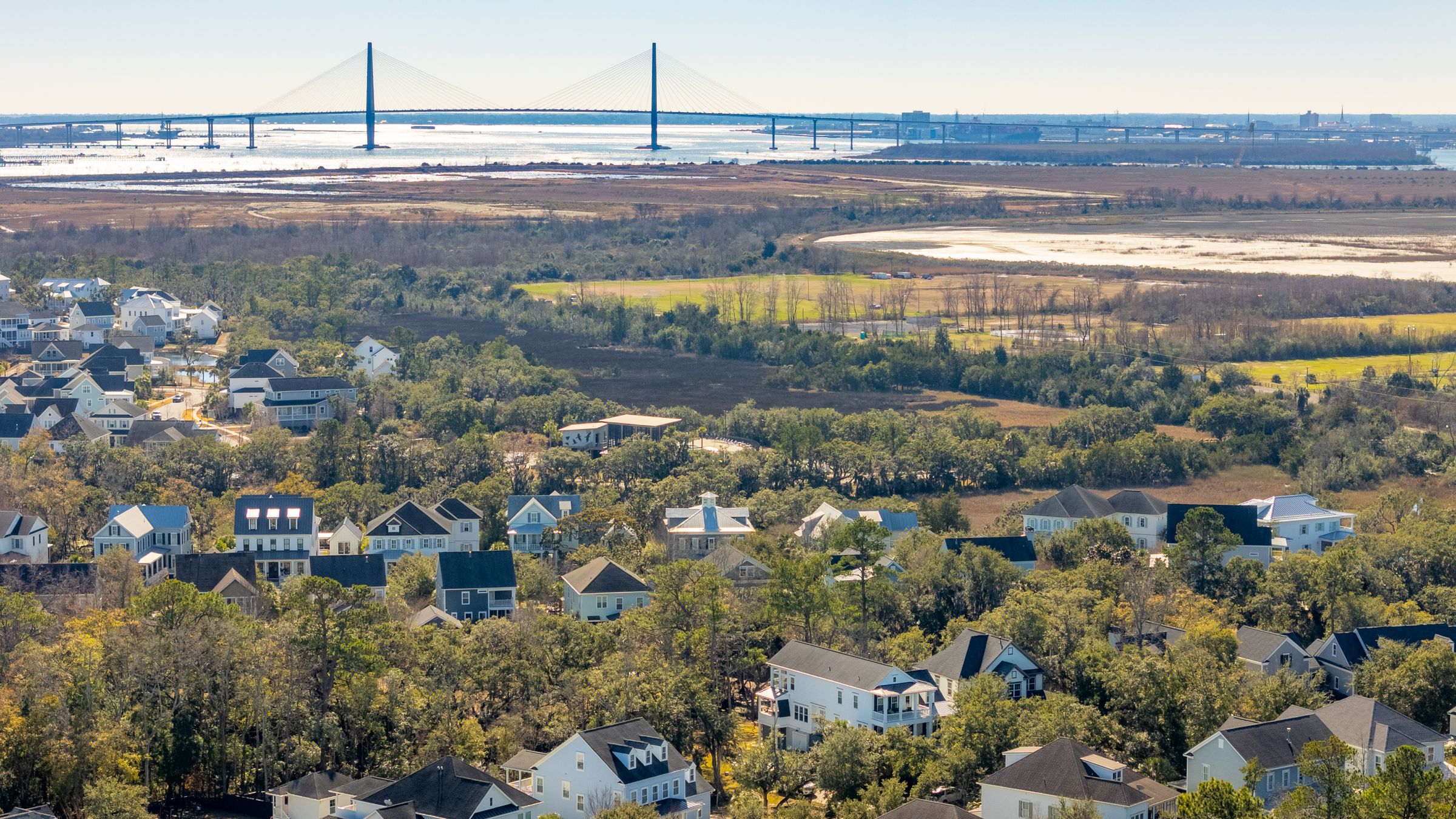
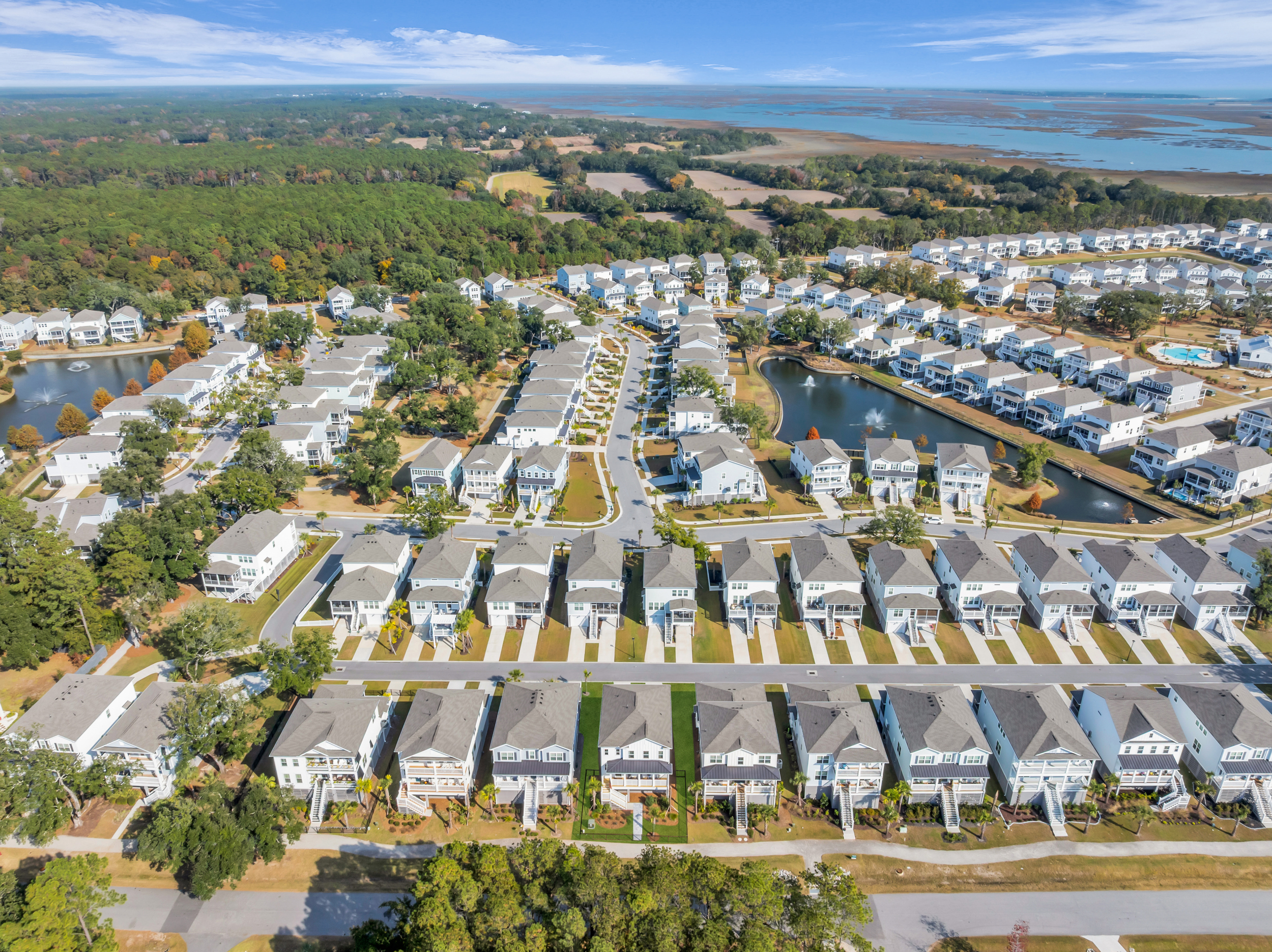
Two properties within Daniel Island can have different marketability.
The same is true in Mount Pleasant.
Buyers may evaluate:
- The home’s immediate setting
- Street position
- Proximity to roads or other influences
- Lot characteristics
- Access and convenience
- Surrounding properties
- Privacy
- Views or natural features where applicable
- How difficult the property’s setting would be to replicate
A strong ZIP code helps.
A strong micro-location can matter even more.
Scarcity Can Support Long-Term Appeal
Homes often become more compelling when they offer something buyers cannot easily reproduce.
That could be an unusually appealing lot, a particularly useful layout, a distinctive setting, or another characteristic that is genuinely difficult to find.
Scarcity does not mean unusual for the sake of being unusual.
In fact, highly unconventional features can sometimes narrow the future buyer pool.
The strongest form of scarcity is often:
Something many buyers want, but relatively few properties offer.
That distinction matters.
Functional Layouts Age Better Than Trend-Driven Choices
Design trends change.
Function tends to have a longer shelf life.
A layout that works naturally for everyday living can retain broad appeal even as finishes evolve.
By contrast, highly specific renovations designed around one owner’s preferences may not translate into equal value for the next buyer.
That does not mean homeowners should avoid personalization.
A home should be enjoyed.
But if protecting resale value matters, it is useful to ask:
Will this improvement make the home more useful to a broad group of future buyers—or simply more specific to me?
Condition Matters More When Buyers Have Choices
In a highly competitive seller’s market, buyers may tolerate projects because they have limited alternatives.
A slower market changes the equation.
If buyers can choose between several comparable properties, deferred maintenance can become more visible.
That does not mean every Charleston home needs to be completely renovated before selling.
Often, maintenance, presentation, cleanliness, and thoughtful preparation matter more than chasing the latest design trend.
A well-cared-for property can communicate confidence.
A property with obvious deferred maintenance can introduce uncertainty—and uncertainty often affects how buyers negotiate.
Ownership Costs Can Influence Value Too
Purchase price is only one part of a buyer’s decision.
Buyers may also consider ongoing costs associated with a particular property, including association obligations, maintenance requirements, insurance considerations, and other property-specific expenses.
Those costs do not automatically make a home less desirable.
They simply become part of the value equation.
When the market slows and buyers have more time to compare alternatives, the relationship between purchase price, lifestyle benefits, property characteristics, and ongoing costs can receive more scrutiny.
What Most Homeowners Get Wrong About Protecting Value
A common mistake is assuming that every dollar spent on the home automatically creates a dollar—or more—of resale value.
It does not work that way.
Some improvements can increase marketability without returning their full cost.
Others may be necessary maintenance rather than value creation.
And some highly personalized projects can make a home more appealing to you while narrowing its appeal to future buyers.
Another mistake is focusing exclusively on finishes.
Countertops, paint colors, and fixtures are visible.
But a buyer may care much more about the lot, location, layout, condition, and overall economics.
Those fundamentals often become even more important when buyers have leverage and time to compare.
Three Charleston Homeowner Scenarios
Scenario 1: The Expensive Personalization
A Mount Pleasant homeowner completes an extensive renovation built around highly specific preferences.
The workmanship is excellent.
But when the home eventually comes to market, some buyers immediately begin calculating what they would need to change.
Lesson: Cost and resale value are not the same thing.
Scenario 2: The Home With Strong Fundamentals
A Daniel Island property is not the most recently renovated home buyers tour.
But it has an appealing setting, functional layout, consistent maintenance, and characteristics that are difficult to replicate.
When buyers compare it with newer-looking alternatives, the home’s fundamentals continue to stand out.
Lesson: A strong property does not always need to be the trendiest property.
Scenario 3: The Owner Who Maintains Instead of Chasing Trends
Another Charleston homeowner spends years addressing maintenance as it arises and making measured improvements rather than constantly redesigning the home.
When it is time to sell, there is less deferred maintenance for buyers to mentally price into their offers.
The home presents as cared for rather than merely decorated.
Lesson: Protecting value is often a long-term discipline, not a pre-listing project.
The Charleston Market Lens
Charleston is not one uniform housing market.
Daniel Island, Mount Pleasant, and surrounding areas each contain smaller competitive markets shaped by property type, location, condition, amenities, lot characteristics, and buyer expectations.
That is why broad statements such as “Charleston real estate always appreciates” are not a useful strategy.
Markets fluctuate.
Individual properties perform differently.
A better approach is to understand which characteristics buyers consistently value in the specific market where the home competes.
That knowledge can inform what you buy, what you improve, and how you eventually position the property for sale.
A Framework for Evaluating a Charleston Home’s Value Resilience
Whether you are buying a property or deciding where to invest money in one you already own, consider these five categories.
- Location
How desirable is the property’s immediate setting—not just the broader neighborhood?
- Scarcity
Does the home offer characteristics that buyers want and cannot easily reproduce elsewhere?
- Function
Does the layout work naturally, or are there major compromises that could limit future appeal?
- Condition
Has the property been consistently maintained, or is deferred maintenance accumulating?
- Broad marketability
Would the home’s major features appeal to a reasonably broad future buyer pool?
The stronger the combination, the better positioned a home may be when buyers become selective.
If You’re Planning Improvements, Ask These Questions First
Before investing substantially in your Charleston home, consider:
- Am I solving a functional problem or simply following a trend?
- Is this improvement appropriate for the surrounding market?
- Will it broaden or narrow future buyer appeal?
- Am I ignoring maintenance while spending on cosmetic upgrades?
- Does this project improve how the home lives?
- Am I assuming the project will produce a specific financial return without market evidence?
- Would local buyers likely value this improvement when comparing my home with alternatives?
Sometimes the right project is the exciting renovation.
Sometimes it is the roof, drainage work, exterior maintenance, or another less glamorous item.
Market value does not always reward the most photogenic investment.
Value Is Built Before the “For Sale” Sign Goes Up
Protecting a home’s value starts long before you decide to sell.
It begins with choosing the property carefully, maintaining it consistently, making improvements thoughtfully, and understanding how the home fits within its local competitive market.
Then, when it is time to sell, strategic pricing, negotiation, and a marketing plan designed to create early demand and momentum can help position those underlying strengths effectively.
If you’re considering buying, improving, or eventually selling a home on Daniel Island, in Mount Pleasant, or elsewhere around Charleston, our team at 32 South Properties is happy to help you think through which property characteristics and improvements are most likely to matter in your specific market.
Visit 32 South Properties to connect with our team.
Frequently Asked Questions
Do Charleston homes always hold their value?
No. All real estate is subject to market conditions, and individual properties can perform differently. Location, condition, buyer demand, property characteristics, ownership costs, and competition can all influence value.
Do renovations always increase a Charleston home’s value?
No. Some renovations improve marketability, but their cost does not automatically translate into an equal increase in market value. The result depends on the project, property, location, execution, and buyer demand.
Is location or condition more important for resale value?
Both matter, but location has one major distinction: it cannot be changed. Condition can often be improved, while permanent location characteristics remain with the property.
Are updated homes more resilient in a slower market?
Updates can help, particularly when buyers have several alternatives, but updates alone do not guarantee stronger value. Location, layout, lot characteristics, maintenance, price, and other fundamentals remain important.
How can I tell which improvements will matter to future Charleston buyers?
Start by looking at what buyers currently value in genuinely comparable properties rather than relying only on national renovation trends. A locally experienced real estate advisor can help identify which features appear to influence buyer decisions in your specific Daniel Island, Mount Pleasant, or Charleston-area market.