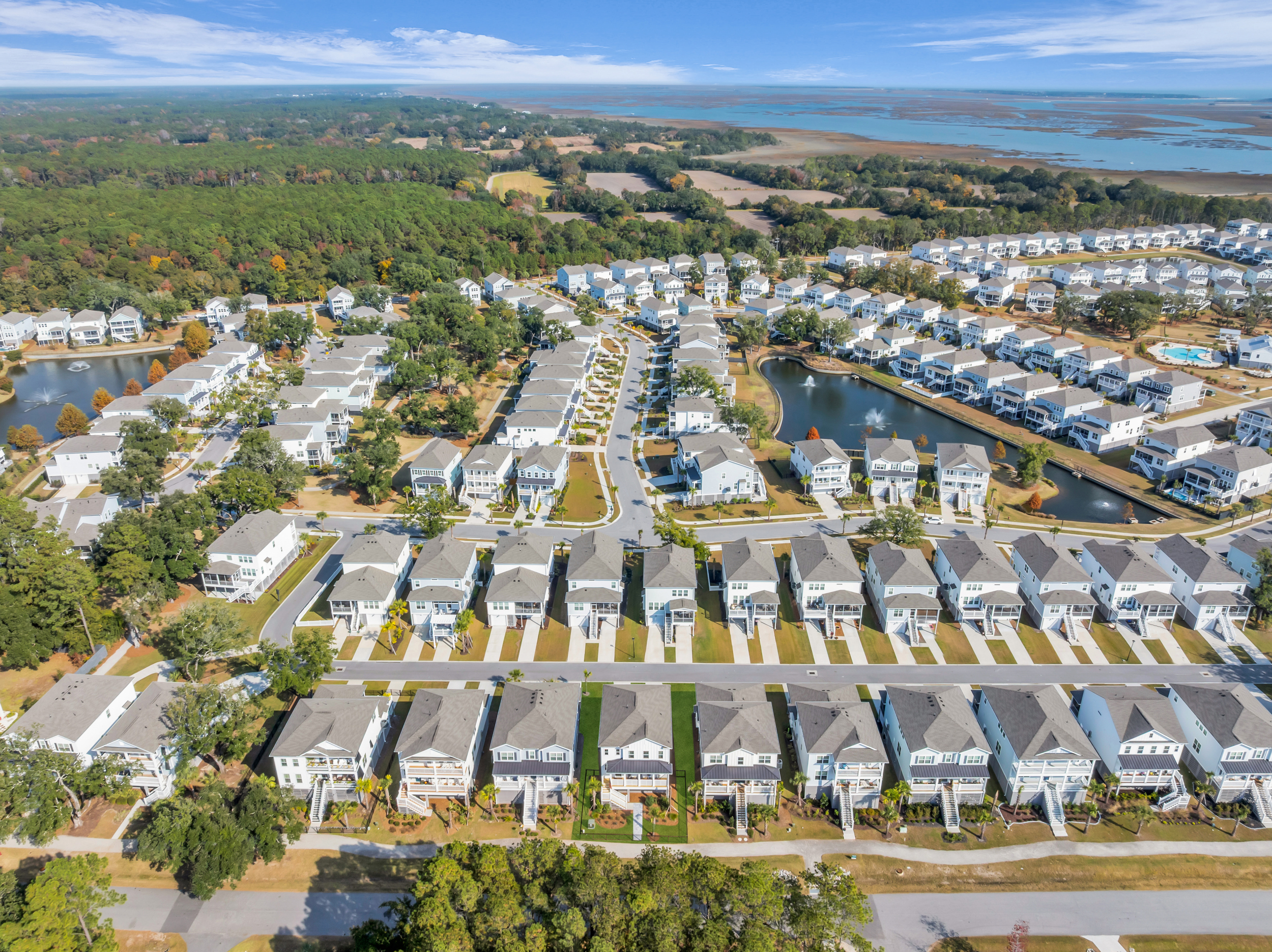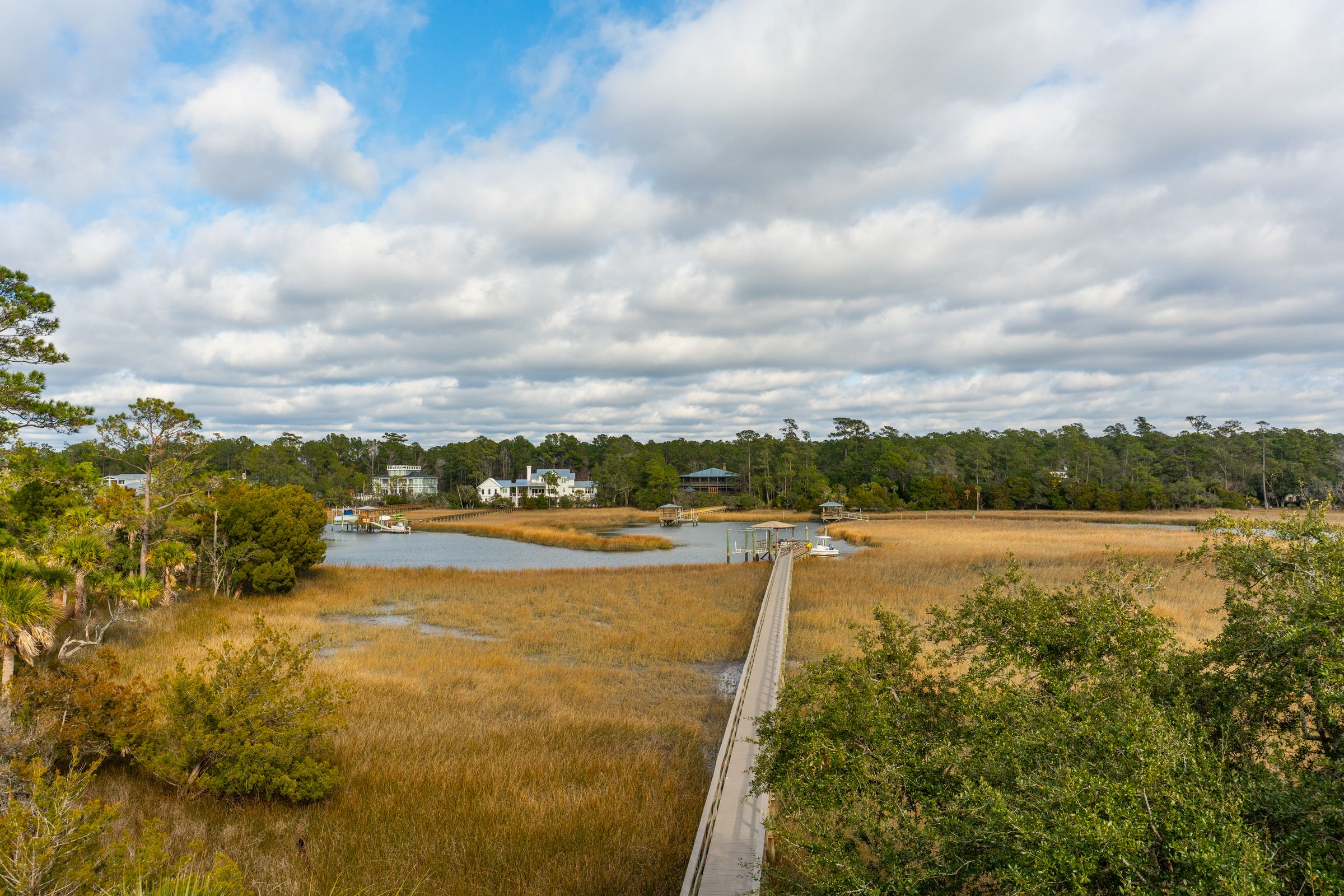


Choosing your next neighborhood may be just as important as selling your current home.
Whether you’re cashing in on years of appreciation, looking for a home that better fits your lifestyle, or simply ready for a change, one question quickly follows every successful sale:
“Where should we go next?”
The Charleston area offers an incredible variety of communities, each with its own personality, pace, and advantages. The right answer depends less on what’s “best” and more on what fits your next chapter.
Summary Answer
If you sold your home today, the best place to move in the Charleston area depends on your priorities. Some buyers want walkability and waterfront living, while others prioritize newer homes, excellent amenities, more space, or a shorter commute. Taking time to evaluate your lifestyle goals before shopping often leads to better long-term decisions.
If You Sold Your Home Today, Where Would You Move in the Charleston Area—and Why?
The Charleston region isn’t one market—it’s dozens of distinct communities that appeal to different lifestyles.
Here are some of the areas buyers consistently explore after selling their current home.
Daniel Island: For Lifestyle, Convenience, and Community
Daniel Island continues to attract buyers who value thoughtfully planned neighborhoods, miles of trails, parks, restaurants, and a strong sense of community.
Many move-up buyers appreciate:
- Walkable neighborhoods
- Access to waterfront parks
- Golf and club opportunities
- Newer homes with modern floor plans
- Easy access to both downtown Charleston and Mount Pleasant
For homeowners looking to simplify life without giving up amenities, Daniel Island often checks a lot of boxes.
Mount Pleasant: Flexibility for Nearly Every Stage of Life
Mount Pleasant remains one of the most popular destinations because it offers remarkable variety.
Depending on your goals, you can find:
- Established neighborhoods with mature trees
- New construction communities
- Luxury waterfront homes
- Low-maintenance townhomes
- Homes close to beaches
- Excellent shopping and dining options
Whether you’re upsizing, downsizing, or relocating within the Lowcountry, Mount Pleasant offers options across a wide range of lifestyles.
Downtown Charleston: Historic Charm and Walkability
For buyers looking to fully embrace Charleston’s culture, downtown offers something difficult to replicate anywhere else.
Why people choose downtown:
- Historic architecture
- Walkable restaurants and shops
- Cultural events
- Waterfront parks
- A vibrant urban lifestyle
The tradeoff is often smaller lots, older homes, and different maintenance considerations—but many buyers gladly make that exchange.
Johns Island: More Space and a Relaxed Pace
Johns Island continues to appeal to buyers seeking:
- Larger homesites
- New construction
- More privacy
- A slower pace
- Room to grow
It’s especially attractive for buyers who work remotely or simply value additional space over being in the center of everything.
Summerville: Value and Growing Amenities
Many homeowners relocating within the region look toward Summerville for:
- More square footage
- Newer neighborhoods
- Family-friendly amenities
- Expanding shopping and dining
- Relative affordability compared to some coastal communities
As infrastructure continues to grow, it’s become an increasingly popular option.
Kiawah and Seabrook: Resort Living
Some sellers decide this is the perfect opportunity to prioritize lifestyle above all else.
These barrier island communities offer:
- Beach access
- Golf
- Resort amenities
- Natural beauty
- Privacy
For buyers seeking a permanent vacation feel, they’re hard to overlook.
What Most Sellers Get Wrong
Many homeowners spend months preparing to sell—but only a few hours thinking about where they’re going next.
Common mistakes include:
- Falling in love with a home before evaluating the neighborhood
- Focusing only on price instead of lifestyle
- Underestimating commute times
- Forgetting future needs
- Waiting until after accepting an offer to start researching communities
The strongest moves happen when selling and buying strategies are planned together.
A Simple Decision Framework
Before touring homes, ask yourself these questions:
- How do you want your daily life to feel?
Would you rather walk to dinner, enjoy quiet evenings on a larger lot, or be close to boating and beaches?
- What has changed since you bought your current home?
Maybe your family has grown.
Maybe you’ve become an empty nester.
Maybe you work remotely now.
Your next home should reflect your current life—not the one you had years ago.
- What amenities matter most?
Rank what’s most important:
- Walkability
- Waterfront access
- Golf
- Schools
- Shopping
- Low maintenance
- Privacy
- Commute time
Once priorities become clear, many neighborhood decisions become much easier.
Three Charleston Stories
Story #1: The Move-Up Family
A family selling their starter home originally focused only on finding a bigger house.
After discussing their long-term goals, they realized proximity to parks, trails, and community activities mattered just as much as square footage.
They ultimately chose a neighborhood that better matched how they wanted to spend weekends—not just where they wanted to sleep.
Story #2: The Downsizers
After decades in a larger home, one couple assumed they wanted the smallest possible house.
After touring several options, they realized what they actually wanted was less maintenance while staying close to restaurants and friends.
Choosing the right community mattered more than reducing square footage alone.
Story #3: The Remote Professional
A buyer relocating within the Charleston area initially searched close to the office.
Once remote work became permanent, priorities shifted toward outdoor space, home office flexibility, and neighborhood amenities.
The result was a home that better supported both work and everyday living.
The Charleston Market Lens
Charleston’s appeal lies in its diversity. No single neighborhood is right for everyone, and that’s one of the area’s greatest strengths.
Communities like Daniel Island and Mount Pleasant remain highly desirable because they combine convenience, amenities, and strong lifestyle appeal. Meanwhile, areas such as Johns Island and Summerville continue attracting buyers looking for additional space and newer housing options.
Rather than asking, “Where is the best place to live?” a better question is:
“Which community best supports the life you want over the next five to ten years?”
That’s often where the smartest buying decisions begin.
Final Thoughts
Selling your home creates an opportunity to rethink more than your address—it allows you to redesign your lifestyle.
The best move isn’t always the newest house or the biggest home. It’s the one that aligns with your goals, daily routines, and future plans.
Our team at 32 South Properties is happy to help you evaluate both sides of the equation—selling your current home strategically while identifying the Charleston-area community that best fits your next chapter. Learn more at https://32south.com.
Frequently Asked Questions
Should I choose my next neighborhood before selling my current home?
Ideally, yes. Having a clear picture of where you’d like to move helps shape your timing, budget, and overall strategy.
Is Daniel Island a good choice for move-up buyers?
Many buyers appreciate Daniel Island for its planned communities, parks, trails, and convenient location. Whether it’s the right fit depends on your lifestyle and priorities.
Is Mount Pleasant better than downtown Charleston?
Neither is objectively better—they offer different experiences. Mount Pleasant provides a wide variety of neighborhoods and home styles, while downtown emphasizes historic charm and walkability.
How far in advance should I start looking for my next home?
Many homeowners begin researching neighborhoods several months before listing their current home. This provides time to understand the market and make informed decisions.
How can I narrow down the right Charleston community?
Start by identifying your non-negotiables—such as commute, lifestyle, maintenance level, outdoor activities, or proximity to family. From there, comparing neighborhoods becomes much more manageable.